Let’s talk about on screen adaptations. Whenever the rights of a popular novel are bought by production companies, fans are filled with equal parts glee and dread. I’ve seen and felt both, especially the latter. I often wonder what the author really feels, and if money weren’t an issue would they still want to have their novel come to life on the big screen? There are so many horror stories of the rights to a book series being bought only to then later be completely flipped inside out with little to no homage to the original material. Alternatively, there are so many series that I would absolutely adore to see on film, even though I know other fans might not share that sentiment.
So what then truly makes a great book to film adaptation? It sounds like there’s one key element to make everyone happy—and that is to stay true to the plot as best as can be. When creating motion pictures out of written word, there is plenty of room for error but also for a wonderful rendition of the text. I’m a very visual person who tends to make up images in my head like that of a movie trailer when I get really invested in a story, so naturally I have been eager for some sagas to be retold cinematically. Yet even the most popular ones, like Game of Thrones, Big Little Lies, Twilight, and Harry Potter amongst hundreds more, have all faced backlash from critics because of how the film production strays from the text. It is rare that production teams who change the plot are praised for doing so, although on occasion it does occur if the changes remain true to the overall theme and motives of the characters.
One of my favorite things about film adaptions is the music and fashion that comes along with it. People often don’t think of these two subjects at first, but I’ve found overtime that the atmosphere when shooting cinema can easily make or break a scene. From the minute details like lightning or the filters used when rolling to the bigger notions such as action and intent, every detail has to be weighed against the original script to honor the author and the fanbase that already exists. When creating these movies, production teams are lucky that they will already have a guaranteed large audience. Vice versa, authors will also get a new wave of readers based on the marketing of the film leading up to the premiere.
There are few books that I love which have recently been bought by production companies for future adaptations, and while I am excited I cannot ignore the lurking dread. However, there are some film renditions of series that most people loathed and which I found to be quite appealing. Overall, it truly depends on how much the studio wants to do right by the original content.
It’s time for another “if you like this, then you’ll probably enjoy this” article. Truth be told, I find most of the books I desire to read by looking up similar stories to some of my favorites. Not all of the time are they accurately depicted as being similar, although I find it interesting that people pair together certain novels based on unique vibes they share. I often do this with films as well, or even music when I try to encapsulate the feeling of a story beyond the page. For this post, I tried to stick to one well known novel and pair it with one or more lesser known stories that I feel can be considered written for the same audience. There will be some throwbacks in here, as well as a mix of genres.
First, this one is for fans of Leigh Bardugo. The Shadow and Bone trilogy, as well as the Six of Crows duology, have both re-entered the spotlight (if they’d ever left) due to the premier of the 2021 Netflix series Shadow and Bone. While I love all of Bardugo’s work, the trilogy will always hold a special place in my heart because of how impactful it was when I first read it years ago. For that reason, I’m going to suggest that if you enjoyed those books, you might want to check out Deathless by Catherynne M Valente and The Bear and the Nightingale by Katherine Arden. Perhaps the most obvious connection between all of these stories are the Slavic (particularly Russian) folklore influence they embody. They are fantasy novels, although Deathless is an incredibly strange and somewhat hard to read story at first. I loved it, although I still cannot say with confidence that I understand 100% of what occurred in that novel.
Moving on to all of those Elven and Fae lovers, of course there is Sarah J Maas and Holly Black. I often find that it is challenging to suggest new reads to people who follow these authors because typically everyone has already read the books I recommend because we all couldn’t get enough of the former. I would say that Uprooted by Naomi Novik, An Enchantment of Ravens by Margaret Rogerson, The Bridge Kingdom by Danielle L. Jensen, and The Unseelie Prince by Kathryn Ann Kindsley are all similar in woodland fantasy appeal.
For fans of dark academia and Donna Tartt, I’ve already written an extensive post on some of the best D.A. novels I’ve had the pleasure of finding, and you can read that here.
Last, for fans of A Darker Shade of Magic by V. E. Schwab, I’d recommend The Name of the Wind by Patrick Rothfuss and oddly enough Things in Jars by Jess Kidd. Both of these recommendations have less to do with plot and are more closely related to Schwab’s novels through the atmosphere of the story. They evoke a sense of adventure through a strange and unique writing style. The characters are all ambitious and a bit wicked, which I think is a wonderful combination for a narrator because it keeps the plot entertaining.
Processed with VSCO with ss1 presetProcessed with VSCO with ss3 preset
Eight years ago, I sat in a dark theater expecting to watch a film about a woman going on a hike. I don’t particularly remember when I stared crying—perhaps it was the final scene where Reese Witherspoon took a few fawn-like steps across a vacant bridge overlooking swaths of bluish grey sky and towering pines interwoven with thick fog as El Cóndor Pasa by Simon & Garfunkel echoed in the distance. Maybe it was earlier on, when I started noticing that this was no mere movie about a long walk. I felt as though I had gone on the journey with Cheryl, so much so that once the fluorescent lights cascaded against us voyeurs, I was struck with a deep longing. Immediately after, I picked up the memoir by Cheryl Strayed.
Wild: From Lost to Found on the Pacific Crest Trail is a story about redemption and the healing power of nature. After losing her mother, her marriage, and any last lingering hope for a better future, Cheryl spent the early half of her twenties drowning in grief and making poor life decisions. Four years later, something changed. Blinded by her own sorrows, and with nothing more to lose, she decided to hike the Pacific Crest Trail, which runs from the Mojave Desert up the coast to Washington state, with no training and no travel companions—a desperate last reach upwards to haul herself out of the dark water.
This was both cathartic and suspenseful, brimming with potent imagery of the west coast and all of the dangers hiding beneath its grandeur beauty. Untrained and lost in more ways than one, the protagonist not only faces lethal creatures and possible stumbles off the side of a cliff, she walks the path of a lonely woman on a trail championed mostly by men. As depicted in both the novel and the film, there is a slight anxiety mentioned of what occurs when a woman is alone in the middle of the nowhere, yet Cheryl finds that the people on this trail are similar to her in that they are hiking to heal, or to experience the euphoria of completing such a strenuous plight. It is a heartwarming notion that evokes a sense of community found amongst fellow wanderers, and it provided Cheryl with the push she needed to start breaking down her guarded heart. Nature does that, it seems. The laborious efforts that go into conquering the PCT can bring a person to breaking point, and it is then that nature begins to heal. Some people might find it crazy to want to push one’s body and mind to such extremes, although there is a massive payoff that does not get enough attention. Being alone, submersed between mountains, streams, and desserts, with nothing but your own inner turmoil to conquer and the trail ahead, people find that reaching the end of the hike is gratifying in more than just a show of physical strength—it’s a mental strength too. You can cry and scream as much as you want on the trail, so long as you leave it behind, pick yourself up, and carry on. That is the essence of this memoir, and that is why this book has become so dear to me as a novice hiker myself (side note: I’ll be heading back to Washington state next week to hike Mount Storm King, so maybe I should drop the novice title).
The final shot of the film reflects the last passage of the novel. Overlapping the song, flitting like birds between the canopy, Witherspoon’s voice recites the last words:
What if all those things I did were the things that got me here? What if I was never redeemed? What if I already was?
It took me years to be the woman my mother raised. It took me 4 years, 7 months and 3 days to do it, without her. After I lost myself in the wilderness of my grief, I found my own way out of the woods. And I didn’t even know where I was going until I got there, on the last day of my hike. Thank you, I thought over and over again, for everything the trail had taught me and everything I couldn’t yet know.
How in 4 years, I’d cross this very bridge. I’ll marry a man in a spot almost visible from where I was standing. Now in 9 years, that man and I would have a son named Carver and a year later, a daughter named after my mother, Bobbi. I knew only that I didn’t need to reach with my bare hands anymore. That seeing the fish beneath the surface of the water would be enough…that it was everything. My life, like all lives, mysterious, irrevocable, sacred, so very close, so very present, so very belonging to me.
There has always been a distinction between book genres, but in recent years there has been a deep interest in sub-genres as a means of deeper research into novel recommendations. The style of looking up what next to read has become so complex that people are no longer simply searching for horror bestsellers or the occasional “bodice ripper.” Instead, the search for sub-genre key terms has evolved in a way that is expanding the depth of literary finds. One of my favorite sub-genres in particular is dark academia—which can perhaps be defined as a combination of horror or physiological thriller with an urban twist, typically taking place in an academic setting. Think of films like Dead Poets Society (1989) or the more hedonistic The Riot Club (2014) to better imagine the atmosphere of this sub-genre.
Academia has always been incorporated in fictional storytelling and can be found anywhere from gothic literature of the late 19th century to the more recent Harry Potter franchise, although it has become wildly popular this past year 2020-21. It might be that there is such an irrevocable longing for campus life in the midst of a pandemic that the sub-genre has taken on a new meaning beyond merely being subjectively interesting to read. In fact, it has become so loved that sub-genres of the sub-genre have begun to appear on apps like TikTok and various other blogs, such as light academia or classical academia (not to be confused with dark academia). Overall, the ambiance of the academic background has drawn us all in. I’m no stranger to this, as one of my favorite books is The Secret History by Donna Tartt (1996). Arguably the mother of dark academia, Tartt has a knack for creating such potent characters that are either so awful you wish you actually hated them, or so illusive you wish you could be like them. If you search for any dark academia recommendations, you will be sure to find this book on the list. I’ve linked my review to ithere, but if you are looking to further you dark academia collection, below is a sample of recommendations that embody a similar vibe.
All synopses taken from Goodreads.
If We Were Villains by M.L. Rio— Oliver Marks has just served ten years in jail – for a murder he may or may not have committed. On the day he’s released, he’s greeted by the man who put him in prison. Detective Colborne is retiring, but before he does, he wants to know what really happened a decade ago. As one of seven young actors studying Shakespeare at an elite arts college, Oliver and his friends play the same roles onstage and off: hero, villain, tyrant, temptress, ingenue, extra. But when the casting changes, and the secondary characters usurp the stars, the plays spill dangerously over into life, and one of them is found dead. The rest face their greatest acting challenge yet: convincing the police, and themselves, that they are blameless.
A Little Life by Hanya Yanagihara— When four classmates from a small Massachusetts college move to New York to make their way, they’re broke, adrift, and buoyed only by their friendship and ambition. There is kind, handsome Willem, an aspiring actor; JB, a quick-witted, sometimes cruel Brooklyn-born painter seeking entry to the art world; Malcolm, a frustrated architect at a prominent firm; and withdrawn, brilliant, enigmatic Jude, who serves as their center of gravity. Over the decades, their relationships deepen and darken, tinged by addiction, success, and pride. Yet their greatest challenge, each comes to realize, is Jude himself, by midlife a terrifyingly talented litigator yet an increasingly broken man, his mind and body scarred by an unspeakable childhood, and haunted by what he fears is a degree of trauma that he’ll not only be unable to overcome—but that will define his life forever.
Ninth House by Leigh Bardugo— Galaxy “Alex” Stern is the most unlikely member of Yale’s freshman class. Raised in the Los Angeles hinterlands by a hippie mom, Alex dropped out of school early and into a world of shady drug dealer boyfriends, dead-end jobs, and much, much worse. By age twenty, in fact, she is the sole survivor of a horrific, unsolved multiple homicide. Some might say she’s thrown her life away. But at her hospital bed, Alex is offered a second chance: to attend one of the world’s most elite universities on a full ride. What’s the catch, and why her? Still searching for answers to this herself, Alex arrives in New Haven tasked by her mysterious benefactors with monitoring the activities of Yale’s secret societies. These eight windowless “tombs” are well-known to be haunts of the future rich and powerful, from high-ranking politicos to Wall Street and Hollywood’s biggest players. But their occult activities are revealed to be more sinister and more extraordinary than any paranoid imagination might conceive. (My review can be found here.)
Black Chalks by Christopher J. Yates— It was only ever meant to be a game played by six best friends in their first year at Oxford University; a game of consequences, silly forfeits, and childish dares. But then the game changed: The stakes grew higher and the dares more personal and more humiliating, finally evolving into a vicious struggle with unpredictable and tragic results. Now, fourteen years later, the remaining players must meet again for the final round. Who knows better than your best friends what would break you?
The Maidens by Alex Michaelides— Edward Fosca is a murderer. Of this Mariana is certain. But Fosca is untouchable. A handsome and charismatic Greek Tragedy professor at Cambridge University, Fosca is adored by staff and students alike—particularly by the members of a secret society of female students known as The Maidens. Mariana Andros is a brilliant but troubled group therapist who becomes fixated on The Maidens when one member, a friend of Mariana’s niece Zoe, is found murdered in Cambridge. Mariana, who was once herself a student at the university, quickly suspects that behind the idyllic beauty of the spires and turrets, and beneath the ancient traditions, lies something sinister. And she becomes convinced that, despite his alibi, Edward Fosca is guilty of the murder. But why would the professor target one of his students? And why does he keep returning to the rites of Persephone, the maiden, and her journey to the underworld? When another body is found, Mariana’s obsession with proving Fosca’s guilt spirals out of control, threatening to destroy her credibility as well as her closest relationships. But Mariana is determined to stop this killer, even if it costs her everything—including her own life.
The Atlas Six by Olivie Blake— The Alexandrian Society, caretakers of lost knowledge from the greatest civilizations of antiquity, are the foremost secret society of magical academicians in the world. Those who earn a place among the Alexandrians will secure a life of wealth, power, and prestige beyond their wildest dreams, and each decade, only the six most uniquely talented magicians are selected to be considered for initiation. Enter the latest round of six: Libby Rhodes and Nico de Varona, unwilling halves of an unfathomable whole, who exert uncanny control over every element of physicality. Reina Mori, a naturalist, who can intuit the language of life itself. Parisa Kamali, a telepath who can traverse the depths of the subconscious, navigating worlds inside the human mind. Callum Nova, an empath easily mistaken for a manipulative illusionist, who can influence the intimate workings of a person’s inner self. Finally, there is Tristan Caine, who can see through illusions to a new structure of reality—an ability so rare that neither he nor his peers can fully grasp its implications. When the candidates are recruited by the mysterious Atlas Blakely, they are told they will have one year to qualify for initiation, during which time they will be permitted preliminary access to the Society’s archives and judged based on their contributions to various subjects of impossibility: time and space, luck and thought, life and death. Five, they are told, will be initiated. One will be eliminated. The six potential initiates will fight to survive the next year of their lives, and if they can prove themselves to be the best among their rivals, most of them will.
The Historian by Elizabeth Kostova— To you, perceptive reader, I bequeath my history….Late one night, exploring her father’s library, a young woman finds an ancient book and a cache of yellowing letters. The letters are all addressed to “My dear and unfortunate successor,” and they plunge her into a world she never dreamed of, a labyrinth where the secrets of her father’s past and her mother’s mysterious fate connect to an inconceivable evil hidden in the depths of history. The letters provide links to one of the darkest powers that humanity has ever known and to a centuries-long quest to find the source of that darkness and wipe it out. It is a quest for the truth about Vlad the Impaler, the medieval ruler whose barbarous reign formed the basis of the legend of Dracula. Generations of historians have risked their reputations, their sanity, and even their lives to learn the truth about Vlad the Impaler and Dracula. Now one young woman must decide whether to take up this quest herself–to follow her father in a hunt that nearly brought him to ruin years ago, when he was a vibrant young scholar and her mother was still alive. What does the legend of Vlad the Impaler have to do with the modern world? Is it possible that the Dracula of myth truly existed and that he has lived on, century after century, pursuing his own unknowable ends? The answers to these questions cross time and borders, as first the father and then the daughter search for clues, from dusty Ivy League libraries to Istanbul, Budapest, and the depths of Eastern Europe. In city after city, in monasteries and archives, in letters and in secret conversations, the horrible truth emerges about Vlad the Impaler’s dark reign and about a time-defying pact that may have kept his awful work alive down through the ages.
Bunny by Mona Awad— Samantha Heather Mackey couldn’t be more of an outsider in her small, highly selective MFA program at New England’s Warren University. A scholarship student who prefers the company of her dark imagination to that of most people, she is utterly repelled by the rest of her fiction writing cohort–a clique of unbearably twee rich girls who call each other “Bunny,” and seem to move and speak as one. But everything changes when Samantha receives an invitation to the Bunnies’ fabled “Smut Salon,” and finds herself inexplicably drawn to their front door–ditching her only friend, Ava, in the process. As Samantha plunges deeper and deeper into the Bunnies’ sinister yet saccharine world, beginning to take part in the ritualistic off-campus “Workshop” where they conjure their monstrous creations, the edges of reality begin to blur. Soon, her friendships with Ava and the Bunnies will be brought into deadly collision. The spellbinding new novel from one of our most fearless chroniclers of the female experience, Bunny is a down-the-rabbit-hole tale of loneliness and belonging, friendship and desire, and the fantastic and terrible power of the imagination.
I recently posted a poll on my Twitter account asking you guys what you’d like to see next on the blog, and “Bookstagram Tips” won by a landslide. I hope this can help at least one person! Let me know if it does! // Instagram: SeelieKnight.
Lighting— this is almost as important as what you’re taking the photo of, because not only does it help the quality of the picture, it also makes the whole image seem a thousand times more pleasing to the eye. Dusk and dawn are the two best times to take photos, whether it be inside or out. Those times of day offer a hazy light that intensifies the HQ of your photo without even needing a filter. Also, even if you are taking the photo indoors—utilize the sunlight. Open some windows and take advantage of the natural lighting. Otherwise using devices such as lamps can cause the photo to turn a yellow/orange tone. I might love those colors when it comes to aesthetics, but not in that context.
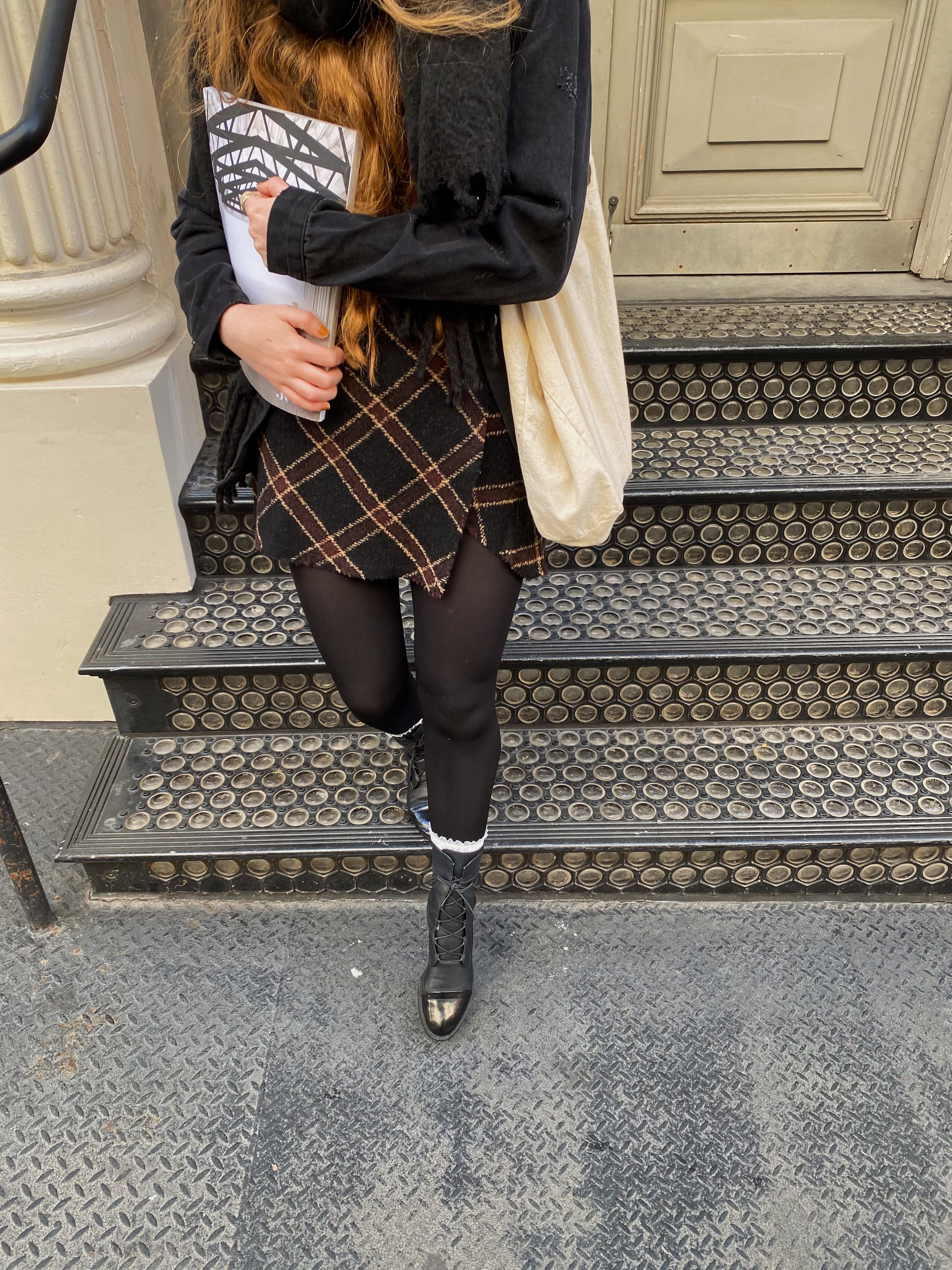
Environment—I get it. White bed sheets are very pretty to look at because they’re great for a minimalist background. But enough is enough! I wont hark on using your bedroom as your main source of photography (because I’ve recently moved and god only knows how many pictures I will be taking of my new home decor), but it’ll do some good to throw in an outdoorsy setting once in a while. A little “something” to zest up your Instagram feed. And if you post mostly outdoor photos…then perhaps try some indoor ones? They don’t necessarily have to be in your bedroom. They can be inside of a cafe, a kitchen, or even a bathtub. Go for it! Explore your settings and think creatively.
Zoom/Lens— not everyone takes their photography using professional cameras. I certainly don’t. It’s true that while I do own an old Canon that shoots just fine, I often take photos right from my iPhone 5se. What really makes a difference is the way in which you’re shooting the photo. In other words: use your lens wisely! I prefer when things are dead center with clean cut angles (but that’s just my own personal preference) so when I’m taking a photo, I like to adjust everything to my stance and the distance of the object to my camera lens. It sounds obvious, but believe me…I’ve seen things.
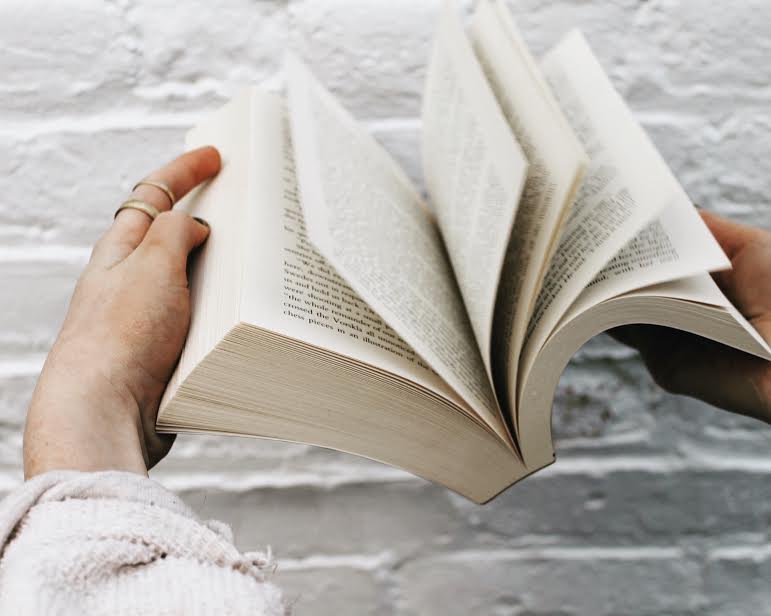
Quantity— this is an easy tip. Just take a ton of photos. Even when you’re shooting a picture of a book propped against a white wall, take at least ten photos from different angles so that later you can review all of them. This will help improve not only the quality of your photos, but also give you a better understanding of where you are as a photographer. The more you study these small, annoying details, the better you will be at avoiding the nuisances during your next shoot.
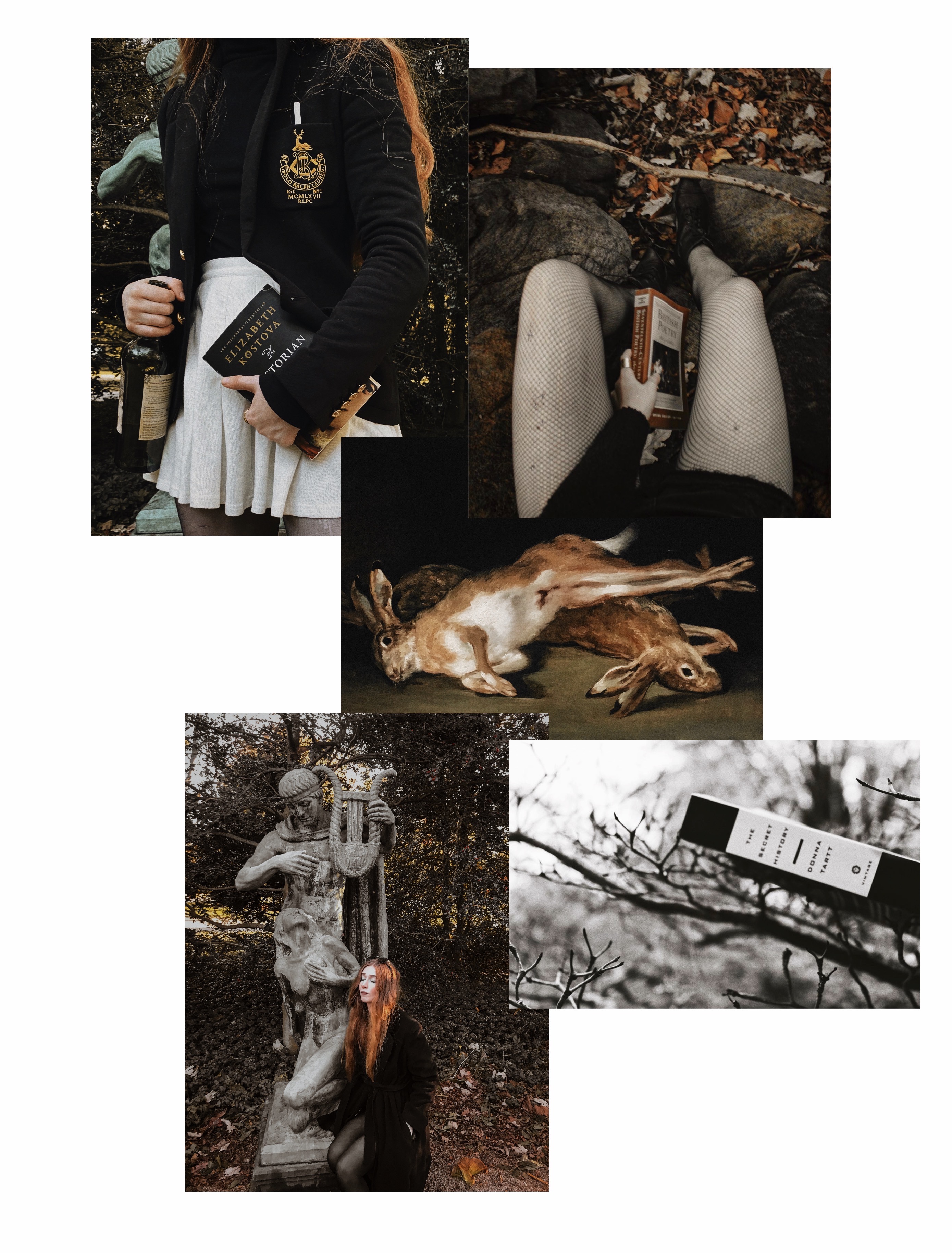
Aesthetic— now for the fun (and worst) part! An ‘aesthetic’ for those that have heard the phrase thrown around but never truly researched the meaning is essentially the way in which a group of things comes together to give off a vibe(s). For instance, you can have a plant aesthetic on Instagram if you post a bunch of greenery photos. I’ve even seen people come up with their own aesthetic terms such as “pale gold” and it’s actually wonderful. I really enjoy the whole concept! However, it get’s super aggravating when you try to stick to one aesthetic, because your photos are bound to look different each time you take them. Especially if you’re mixing seasons (autumn cannot come soon enough).
choose a tone (warm v cold)
find a pleasing color palette (lots of pink? green? rainbow?)
use basic colors (white, black, grey) to balance out the others
have fun
Filters— there are many filtering apps out there, but the best by far is VSCO. Almost everyone uses it, and with good reasoning. Much like keeping a consistent aesthetic is great to have, also using the same filter can help maintaining that theme. VSCO offers many filters, most of which you won’t have to touch up once you’re finished. It’s definitely worth getting. My personal favorite filters on the app are A6 and HB2.
Time— okay, so this “tip” has two parts. First, pace yourself. If you start feeling overwhelmed by the need to constantly be posting photos, then it’s time to take a slight break, otherwise known as a hiatus. Just tell your followers you need space to rejuvenate the creative flow, and they’ll understand. I can’t express how often I see this happening. // Two, I try to post my Instagram photos around a time when I know many people will be actively on the app. Usually class gets out around 2:30-4:30 in Est US. I figure that’s a good enough time gap to try and post something for everyone, even my international friends, to see. This also leads me to another reminder—don’t freak out if your photos isn’t getting as many likes as your previous ones. A lot of the time people don’t take into consideration that out of the however many followers you have, perhaps only half of them are active at the moment. Chances are when the others finally go on Instagram, their feed will be full of other photos from the present time, and they’ll have to find your post by scrolling all the way down through everything else. (This is why notifications are amazing!!)
Socialize— most of the above tips are about taking photos, but since this is a post on Bookstagram tips in general I figure it would be appropriate to throw this in as well. Of course tags are a great way to find other accounts, but socializing is what really does the trick. Comment a lot. Get to know other people. By default, those people will probably introduce you to their online friends..and thus group chats are formed and suddenly you’re being mentioned on five different accounts AND you’re getting to meet new people. This really cannot go wrong unless you make it a mission to invite trouble (so never create unnecessary drama. This is a community of readers for fuck’s sake).
Enjoyment—if you’re not having fun, you’re not doing it right.
P.S.
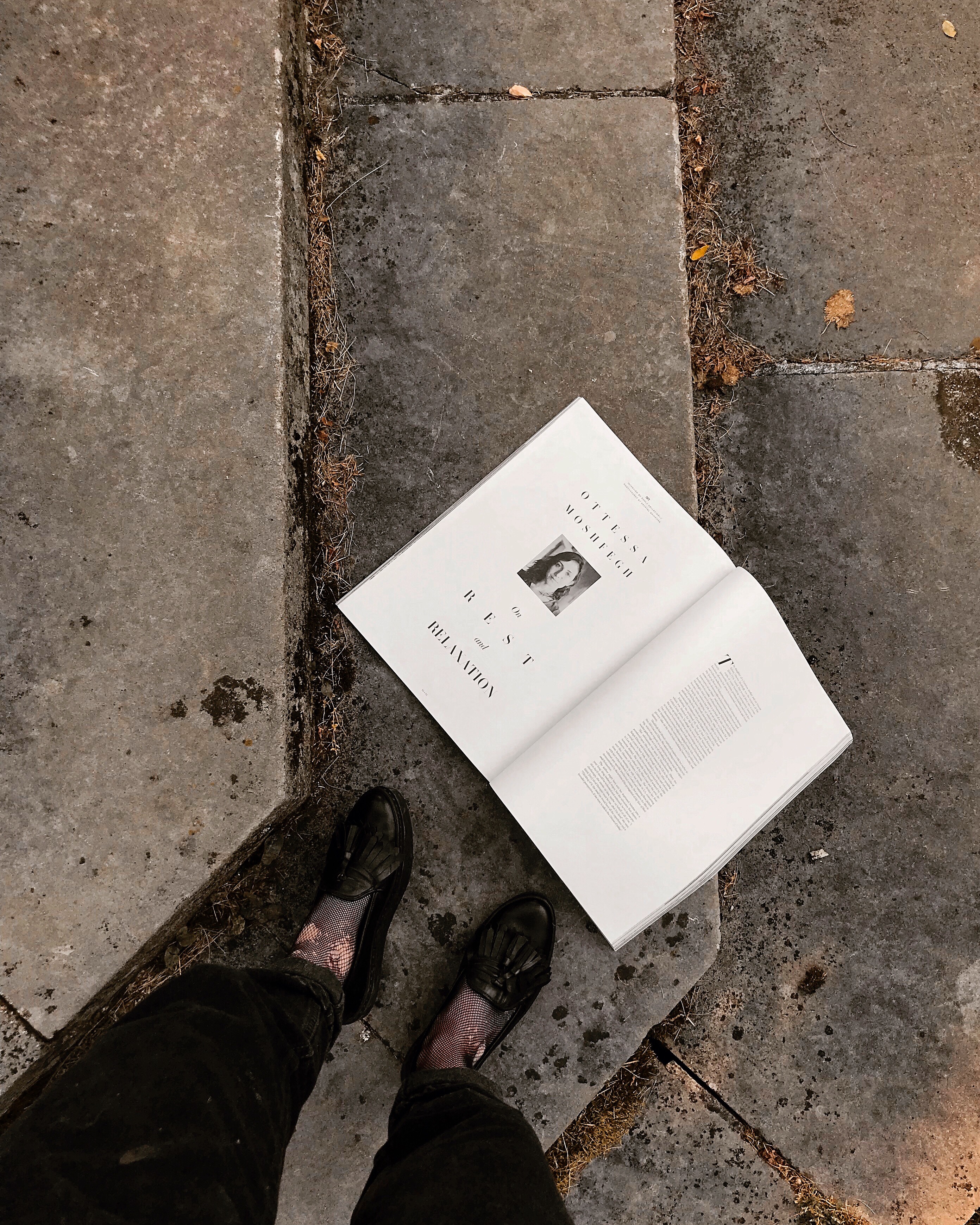
If you don’t love a particular book cover but feel inclined to post about the book because it was simply wonderful and you just can’t fathom why such a treasure got paired with such an awful cover…just post the title page! A white/beige tone will blend in with any theme. Better yet, you can post a photo of the center of a chapter with the title header at the top. As long as you mention the book in your caption, I don’t see the problem with not posting the cover image? Unless of course you’re promoting a book and the publisher specifically asks for clear coverage, in which case you can use the above methods while perhaps accommodating the tones of the cover (ex: bright yellow) with your surroundings (ex: pumpkins? A rundown barn? Rustic looking vintage car? Etc…) Bottom line: don’t feel pressured into posting the obvious. Do what you want and be happy about it!
If you happen to post a photo that literally doesn’t have a single thing relevant to books or reading…don’t freak out about it. Sure there will be those people who act like you’ve just posted a live video of someone being brutalized, but you can’t let them sway your inner artist. If you wanted to post it so badly, it’s because you know the photo is great. So don’t feel ashamed that ONE picture in every ten or so doesn’t include a book. If anything, I think it lets us see another side of the person behind the account.



 Anthology of V.