Let’s talk about on screen adaptations. Whenever the rights of a popular novel are bought by production companies, fans are filled with equal parts glee and dread. I’ve seen and felt both, especially the latter. I often wonder what the author really feels, and if money weren’t an issue would they still want to have their novel come to life on the big screen? There are so many horror stories of the rights to a book series being bought only to then later be completely flipped inside out with little to no homage to the original material. Alternatively, there are so many series that I would absolutely adore to see on film, even though I know other fans might not share that sentiment.
So what then truly makes a great book to film adaptation? It sounds like there’s one key element to make everyone happy—and that is to stay true to the plot as best as can be. When creating motion pictures out of written word, there is plenty of room for error but also for a wonderful rendition of the text. I’m a very visual person who tends to make up images in my head like that of a movie trailer when I get really invested in a story, so naturally I have been eager for some sagas to be retold cinematically. Yet even the most popular ones, like Game of Thrones, Big Little Lies, Twilight, and Harry Potter amongst hundreds more, have all faced backlash from critics because of how the film production strays from the text. It is rare that production teams who change the plot are praised for doing so, although on occasion it does occur if the changes remain true to the overall theme and motives of the characters.
One of my favorite things about film adaptions is the music and fashion that comes along with it. People often don’t think of these two subjects at first, but I’ve found overtime that the atmosphere when shooting cinema can easily make or break a scene. From the minute details like lightning or the filters used when rolling to the bigger notions such as action and intent, every detail has to be weighed against the original script to honor the author and the fanbase that already exists. When creating these movies, production teams are lucky that they will already have a guaranteed large audience. Vice versa, authors will also get a new wave of readers based on the marketing of the film leading up to the premiere.
There are few books that I love which have recently been bought by production companies for future adaptations, and while I am excited I cannot ignore the lurking dread. However, there are some film renditions of series that most people loathed and which I found to be quite appealing. Overall, it truly depends on how much the studio wants to do right by the original content.
Lately I’ve been getting into the nature genre. That must sound strange to read, but there’s no other way to accurately state it. Saying I’ve always been a lover of nature isn’t as profound as claiming that I could easily see myself living out the rest of my days in the middle of a forest surrounded by mountains and creeks. Growing up, I used to spend all of my summers in the Catskills mountain range of New York. This might be part of the reason why I now have such a deeply rooted passion for exploring new terrain. Of all the national parks in this country, my favorites to visit are Olympic, Grand Teton, Joshua Tree, Zion, and the Redwoods. Driving for weeks can be exhausting, and there is certainly a lot of driving needed to visit all of these places. Whenever I’m not behind the wheel, I usually try to read something that will get me in the mood for our next hike. Here are some of my new (and classic) favorite nature-genre novels…
Wild: From Lost to Found on the Pacific Crest Trail by Cheryl Strayed: At twenty-two, Cheryl Strayed thought she had lost everything. In the wake of her mother’s death, her family scattered and her own marriage was soon destroyed. Four years later, with nothing more to lose, she made the most impulsive decision of her life. With no experience or training, driven only by blind will, she would hike more than a thousand miles of the Pacific Crest Trail from the Mojave Desert through California and Oregon to Washington State — and she would do it alone. Told with suspense and style, sparkling with warmth and humor, Wild powerfully captures the terrors and pleasures of one young woman forging ahead against all odds on a journey that maddened, strengthened, and ultimately healed her.
The Overstory by Richard Powers: The Overstory is a sweeping, impassioned work of activism and resistance that is also a stunning evocation of – and paean to – the natural world. From the roots to the crown and back to the seeds, Richard Powers’s twelfth novel unfolds in concentric rings of interlocking fables that range from antebellum New York to the late twentieth-century Timber Wars of the Pacific Northwest and beyond. There is a world alongside ours—vast, slow, interconnected, resourceful, magnificently inventive, and almost invisible to us. This is the story of a handful of people who learn how to see that world and who are drawn up into its unfolding catastrophe.
The Nature Fix by Florence Williams: From forest trails in Korea, to islands in Finland, to eucalyptus groves in California, Florence Williams investigates the science behind nature’s positive effects on the brain. Delving into brand-new research, she uncovers the powers of the natural world to improve health, promote reflection and innovation, and strengthen our relationships. As our modern lives shift dramatically indoors, these ideas—and the answers they yield—are more urgent than ever.
The Hidden Life of Trees by Peter Wohlleben: Wohlleben shares his deep love of woods and forests and explains the amazing processes of life, death, and regeneration he has observed in the woodland and the amazing scientific processes behind the wonders of which we are blissfully unaware. Much like human families, tree parents live together with their children, communicate with them, and support them as they grow, sharing nutrients with those who are sick or struggling and creating an ecosystem that mitigates the impact of extremes of heat and cold for the whole group. As a result of such interactions, trees in a family or community are protected and can live to be very old. In contrast, solitary trees, like street kids, have a tough time of it and in most cases die much earlier than those in a group. Drawing on groundbreaking new discoveries, Wohlleben presents the science behind the secret and previously unknown life of trees and their communication abilities; he describes how these discoveries have informed his own practices in the forest around him. As he says, a happy forest is a healthy forest, and he believes that eco-friendly practices not only are economically sustainable but also benefit the health of our planet and the mental and physical health of all who live on Earth.
Wintering: The Power of Rest and Retreat in Difficult Times by Katherine May: Sometimes you slip through the cracks: unforeseen circumstances like an abrupt illness, the death of a loved one, a break up, or a job loss can derail a life. These periods of dislocation can be lonely and unexpected. For May, her husband fell ill, her son stopped attending school, and her own medical issues led her to leave a demanding job. Wintering explores how she not only endured this painful time, but embraced the singular opportunities it offered. A moving personal narrative shot through with lessons from literature, mythology, and the natural world, May’s story offers instruction on the transformative power of rest and retreat. Illumination emerges from many sources: solstice celebrations and dormice hibernation, C.S. Lewis and Sylvia Plath, swimming in icy waters and sailing arctic seas. Ultimately Wintering invites us to change how we relate to our own fallow times. May models an active acceptance of sadness and finds nourishment in deep retreat, joy in the hushed beauty of winter, and encouragement in understanding life as cyclical, not linear. A secular mystic, May forms a guiding philosophy for transforming the hardships that arise before the ushering in of a new season.
Women Who Run With the Wolves is not necessarily about lycanthropy. I was browsing my local book store one day when I noticed a new staff recommendation had made its way to the top shelf, displaying a stocky paperback that appeared more like some fragment of a graduate thesis than a fiction novel about wolves (as I had expected). I’ve come to realize this is one of those books that is meant to change your perspective on life, perhaps more than the usual story would. Clarissa Pinkola Estés has a magical voice that takes you on a wild journey through different myths about women throughout history. While twinning together these folk tales with her own shared experiences, Estés creates an ideology for all women to follow—that we are instinctively wild creatures, and that there is a deep power within all of us like some type of inner goddess.
At first, I worried that this might read a bit fanatical. It took me some months to really get into the stories, but when I did eventually start I simply could not stop. It feels like partaking in an otherworldly ritual when reading this essay. As a Jungian analyst and cantadora storyteller, the author is well equips with extensive theories and knowledge on how women can harness an inner strength through a psychological bond with notions of archaic femininity. In particular, the Wild Woman archetype is thoroughly analyzed and discussed in this novel, making it easier to understand where many of these myths originated.
Several fictional stories I love share a similar aesthetic with this one, and it became apparent that this book is like the backstory for all of the others to come. Although the first half might seem repetitive, it is certainly worth the try in reading it. Some of the writing sounded a bit too primitive, albeit I still greatly enjoyed this novel and will continue to recommend it to others who might want something a bit invigorating to add to their library.
It’s time for another “if you like this, then you’ll probably enjoy this” article. Truth be told, I find most of the books I desire to read by looking up similar stories to some of my favorites. Not all of the time are they accurately depicted as being similar, although I find it interesting that people pair together certain novels based on unique vibes they share. I often do this with films as well, or even music when I try to encapsulate the feeling of a story beyond the page. For this post, I tried to stick to one well known novel and pair it with one or more lesser known stories that I feel can be considered written for the same audience. There will be some throwbacks in here, as well as a mix of genres.
First, this one is for fans of Leigh Bardugo. The Shadow and Bone trilogy, as well as the Six of Crows duology, have both re-entered the spotlight (if they’d ever left) due to the premier of the 2021 Netflix series Shadow and Bone. While I love all of Bardugo’s work, the trilogy will always hold a special place in my heart because of how impactful it was when I first read it years ago. For that reason, I’m going to suggest that if you enjoyed those books, you might want to check out Deathless by Catherynne M Valente and The Bear and the Nightingale by Katherine Arden. Perhaps the most obvious connection between all of these stories are the Slavic (particularly Russian) folklore influence they embody. They are fantasy novels, although Deathless is an incredibly strange and somewhat hard to read story at first. I loved it, although I still cannot say with confidence that I understand 100% of what occurred in that novel.
Moving on to all of those Elven and Fae lovers, of course there is Sarah J Maas and Holly Black. I often find that it is challenging to suggest new reads to people who follow these authors because typically everyone has already read the books I recommend because we all couldn’t get enough of the former. I would say that Uprooted by Naomi Novik, An Enchantment of Ravens by Margaret Rogerson, The Bridge Kingdom by Danielle L. Jensen, and The Unseelie Prince by Kathryn Ann Kindsley are all similar in woodland fantasy appeal.
For fans of dark academia and Donna Tartt, I’ve already written an extensive post on some of the best D.A. novels I’ve had the pleasure of finding, and you can read that here.
Last, for fans of A Darker Shade of Magic by V. E. Schwab, I’d recommend The Name of the Wind by Patrick Rothfuss and oddly enough Things in Jars by Jess Kidd. Both of these recommendations have less to do with plot and are more closely related to Schwab’s novels through the atmosphere of the story. They evoke a sense of adventure through a strange and unique writing style. The characters are all ambitious and a bit wicked, which I think is a wonderful combination for a narrator because it keeps the plot entertaining.
Processed with VSCO with ss1 presetProcessed with VSCO with ss3 preset
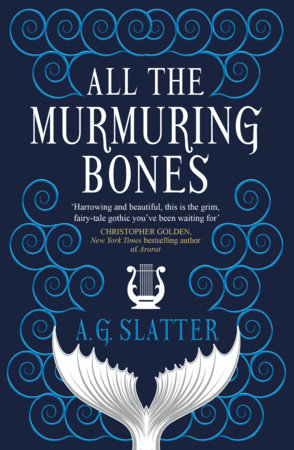
I’ve recently finished reading All the Murmuring Bones by A. G. Slatter and this book is so incredibly whimsical. It begins as any old folk horror would—with a sacrifice. Centuries prior, Miren O’Malley’s family proposed a deal with the mer creatures for the family’s business vessels to have eternal safe voyages, and in return one child of the bloodline would be offered to the sea each generation. As time goes on, not all of the O’Malleys are able to uphold their share of the bargain, which results in deterioration of shipments, fortune, and victorian aristocracy status. Miren’s grandmother is determined to restore the family glory, even if it means sacrificing Miren’s freedom to do so.
I believe that everyone judges a book based on their own methods of reading. For me, I enjoy anything that has ethereal writing or that is chock full or prose. Some find this to be patronizing or pretentious, but I think that the more poetic a story is, the easier it is for a reader to be fully immersed in the tale. Ironically enough, it took me some time to get into this one. At first, despite all of the beautiful writing, this story lags a bit. There is simply so much information to be stored away for future reference, and so many characters to remember, that it becomes a little overwhelming. I stuck it out for a few more chapters and the end result is that I think I might have a new novel to shelf in my favorites pile. The main character Miren can be quite morally ambiguous, even for the narrator, which to some might sound unreliable but for me it made her all the more interesting. I love characters with grit, and she certainly did things that were survival based that we often don’t see with other protagonists for fear of them becoming antagonists.
One of the best things about this novel is the way it reads as an old fishermen folklore. I forget how I was introduced to the plot, but I didn’t realize it was essentially a Victorian gothic until I began the prologue. This has all of the check marks for a wonderfully eerie story that mixes all of the nefarious ambiance of the sea with an interesting and heart-pounding plot twist.
There will always be those few books floating around social media that get picked up by nearly every blogger. I cannot say if it is because of the aesthetically appealing cover, the content, or the promotional marketing, but if you look closely enough there usually tends to be a mass display of certain titles. One great example was the cult following of Rupi Kaur back in the grid-line and green plants era of 2014. Since then, the collection of poems has been so thoroughly advertised that I recently saw it for sale in the starved selection of poetry at an airport. I remember being enamored with Kaur’s writing until the second series of poems came out and I remember thinking to myself if social media didn’t exist, would this truly be as renowned as it is today? That’s not to say that Milk and Honey isn’t wonderful (although it’s definitely lost the hype it once had for me), or that any novel that becomes Insta-Famous doesn’t deserve the “clout” it garners…but the trivial thought remains.
I often wonder how many times we purchase books for anything aside from the pivotal factor—the written work. I’m certainly no pretentious reader who claims to have torn through everything I’ve ever gotten my hands on, and it’s true that my TBR (to be read) pile has taken on frightening lengths, so I’m not too ashamed to say that there are some novels that have made autonomy on my shelf simply by being pretty or hyped up enough that I felt I simply needed to buy it to be a credible reviewer. What came to me as a parody blog post has taken a turn for consideration. I wanted to compile a list of books for any “It Girl” as a joke, although after looking at it I realized I’m guilty of reading most of these stories strictly because I found them through other blogs. So here it is. Below you’ll find the 2022 updated library of “aesthetic reads.” It could be a fun game to guess which ones most people have actually read (myself included). Eventually I hope to read them all…
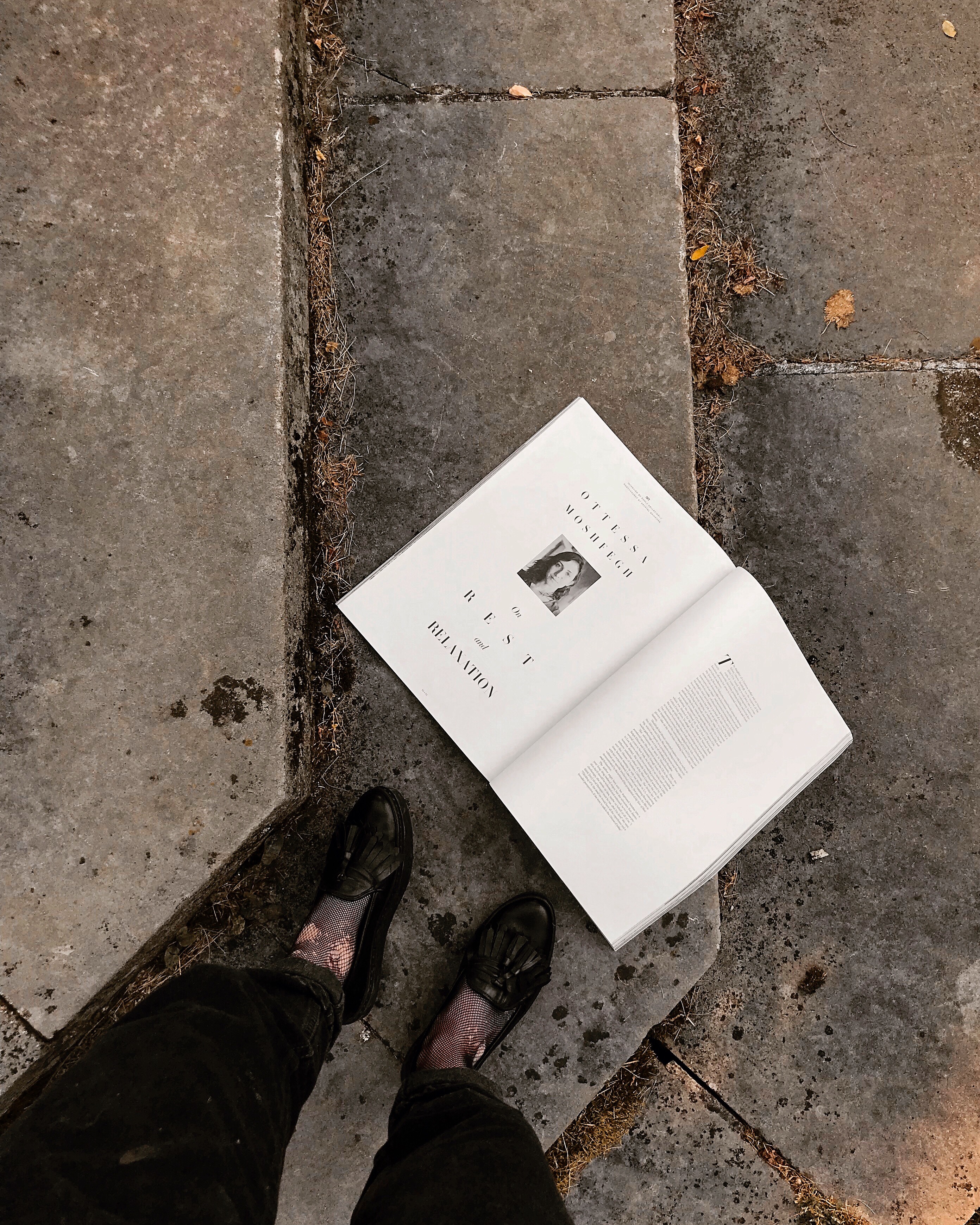
My Year of Rest and Relaxation by Ottessa Moshfegh
Just Kids by Patti Smith (truly, any novel by Patti Smith)
Black Swans by Eve Babitz
The Year of Magical Thinking by Joan Didion
101 Essays That Will Change the Way You Think by Brianna Wiest
The Goldfinch by Donna Tartt
Flux by Orion Vanessa
Call Me By Your Name by André Aciman
On Earth We’re Briefly Gorgeous by Ocean Vuong
Let me know if you’ve noticed others circulating frequently! I’m going to guess Cleopatra and Frankenstein by Coco Mellors will soon take the cake, and you can bet I’m really intrigued by the premise and hope to have a review soon once I actually read it. I’d love to go into the deeper psychological backing as to why these trends start, but I’m not qualified enough beyond my mere fascination with the rise and fall of fads on social media.
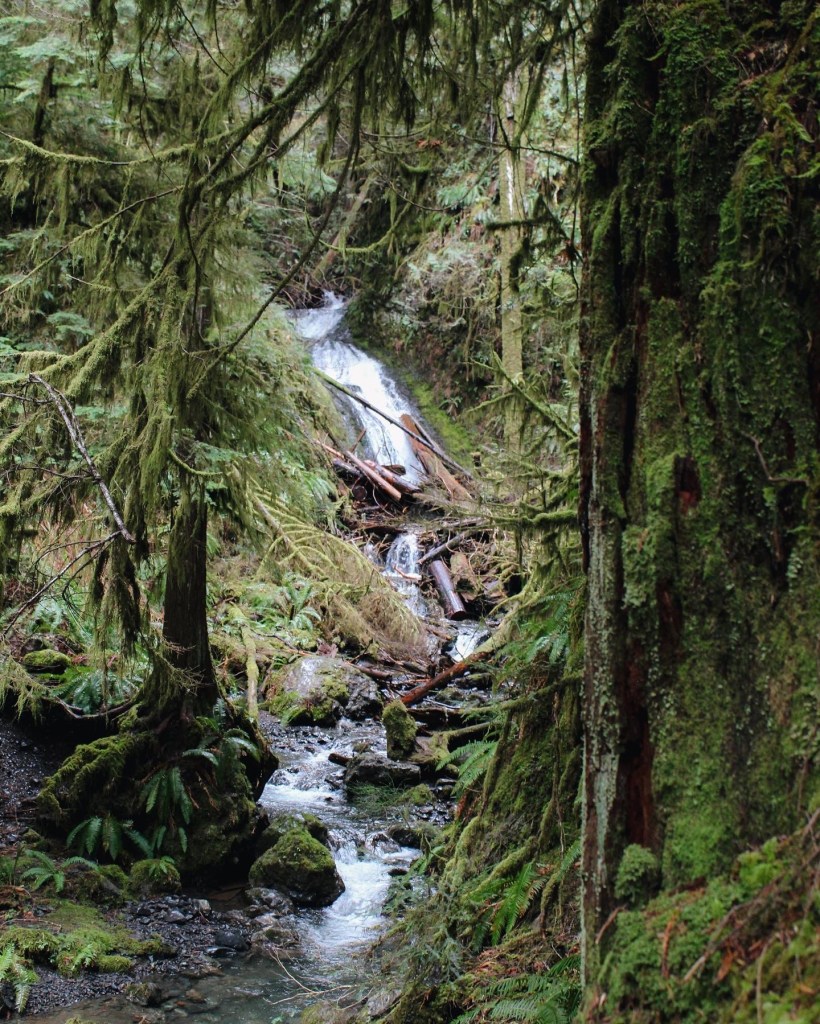
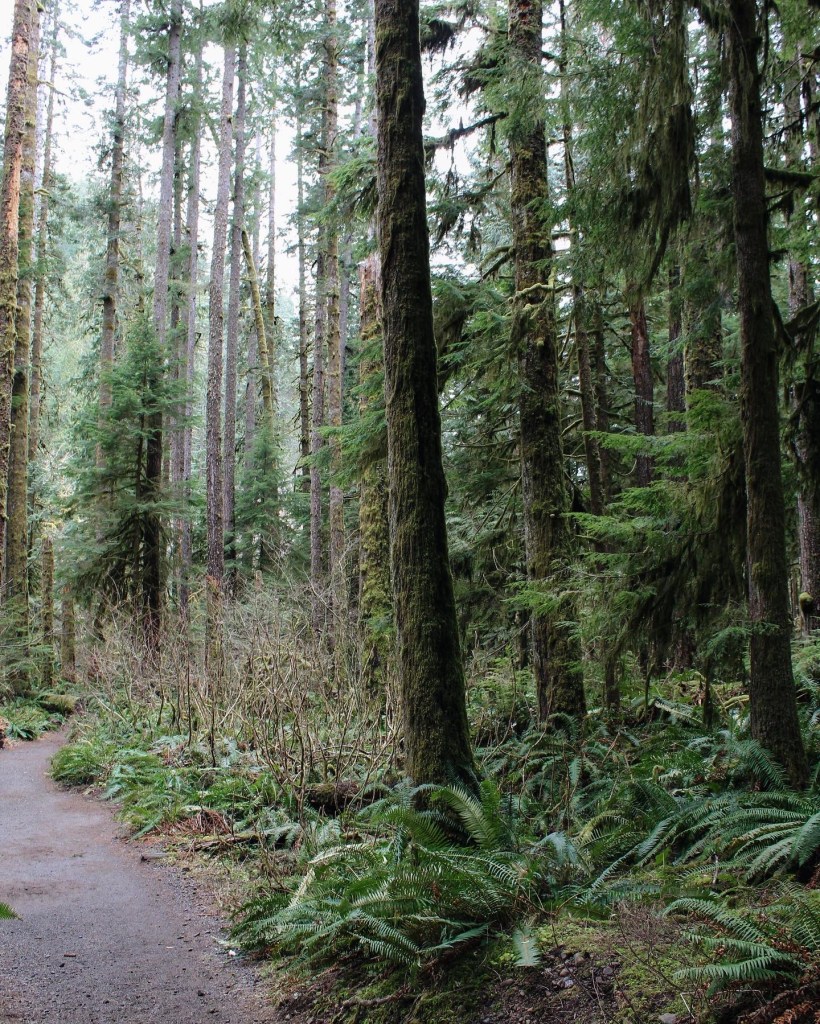
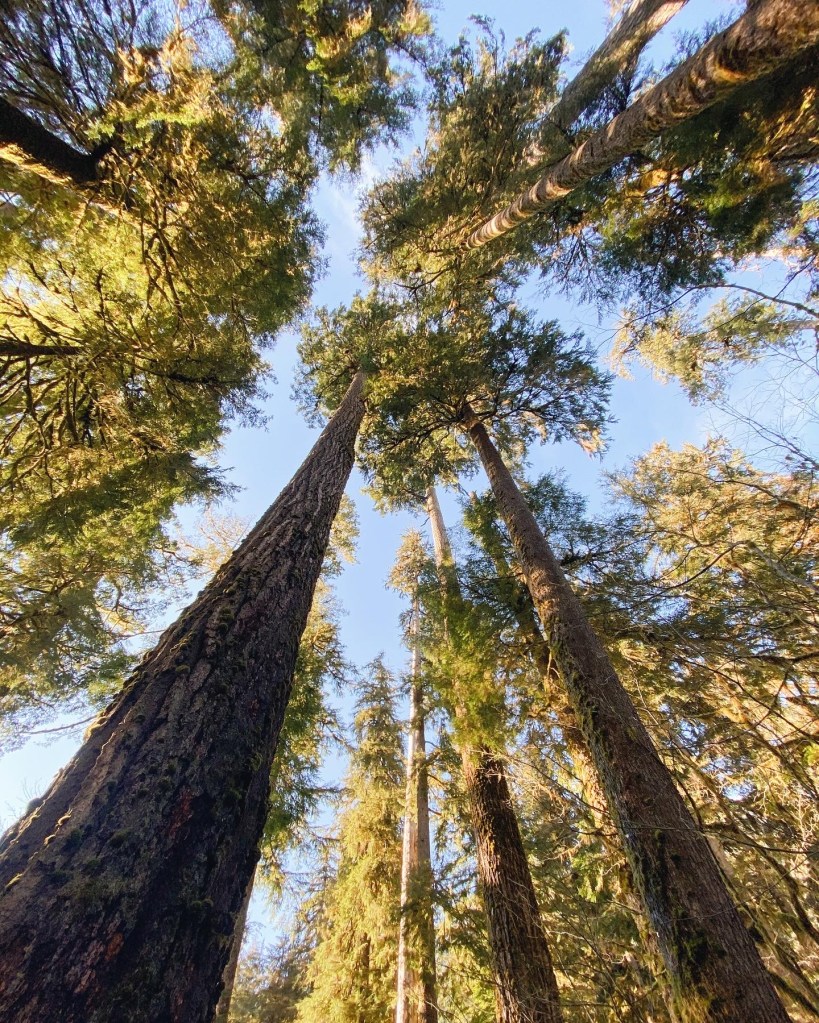
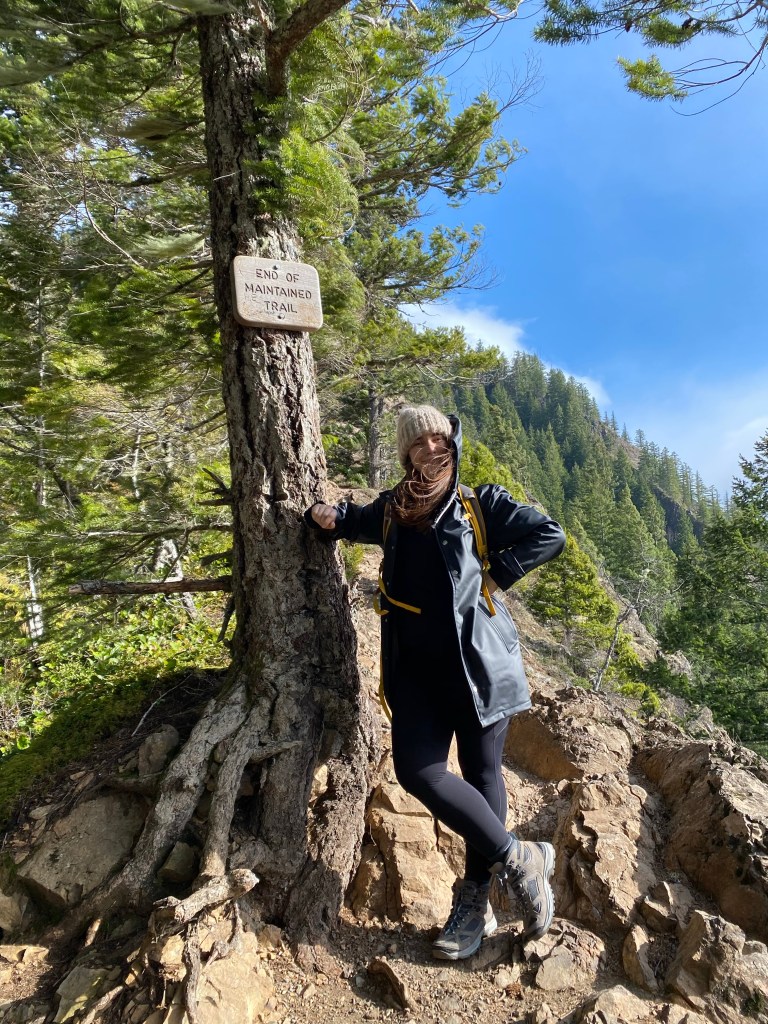
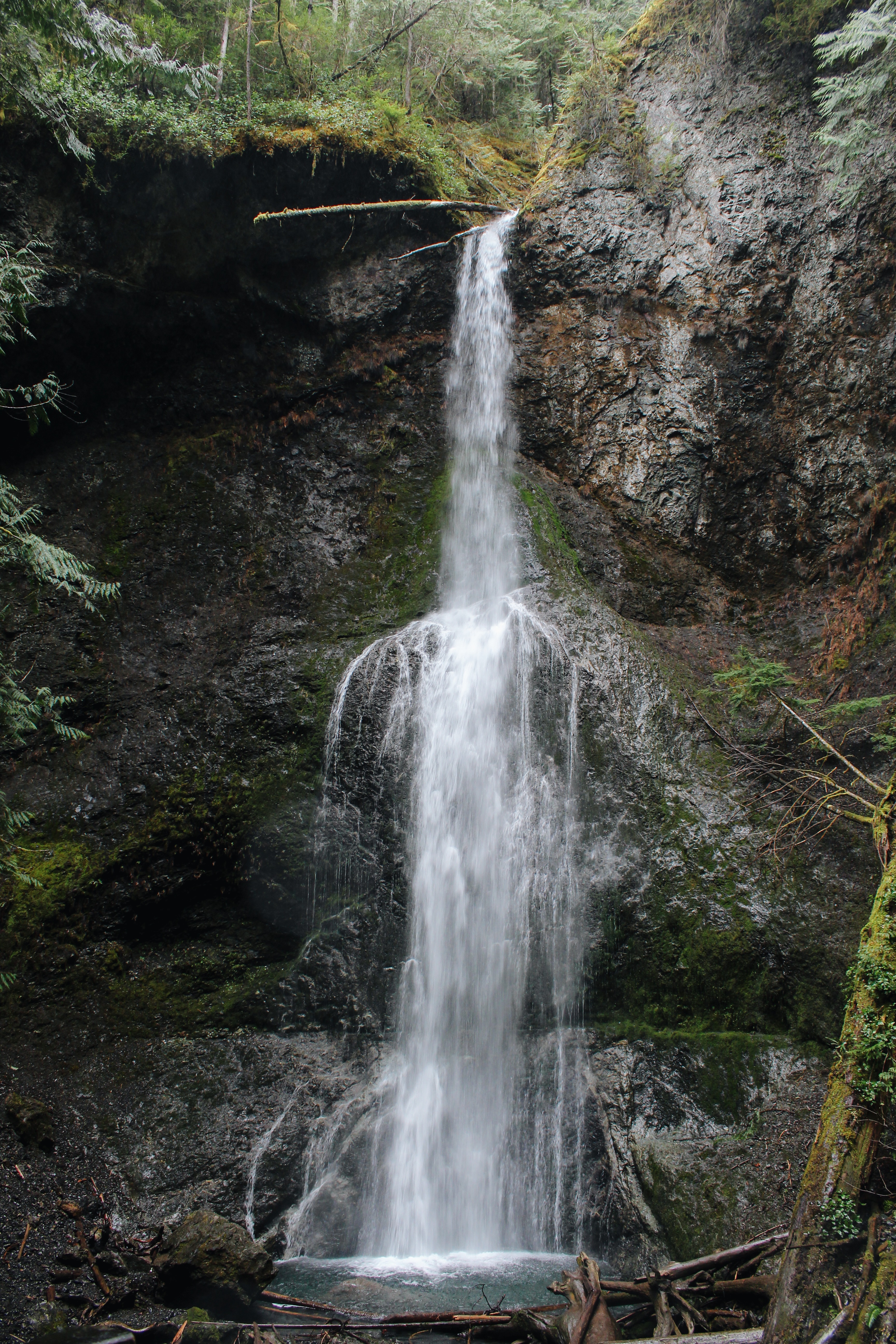
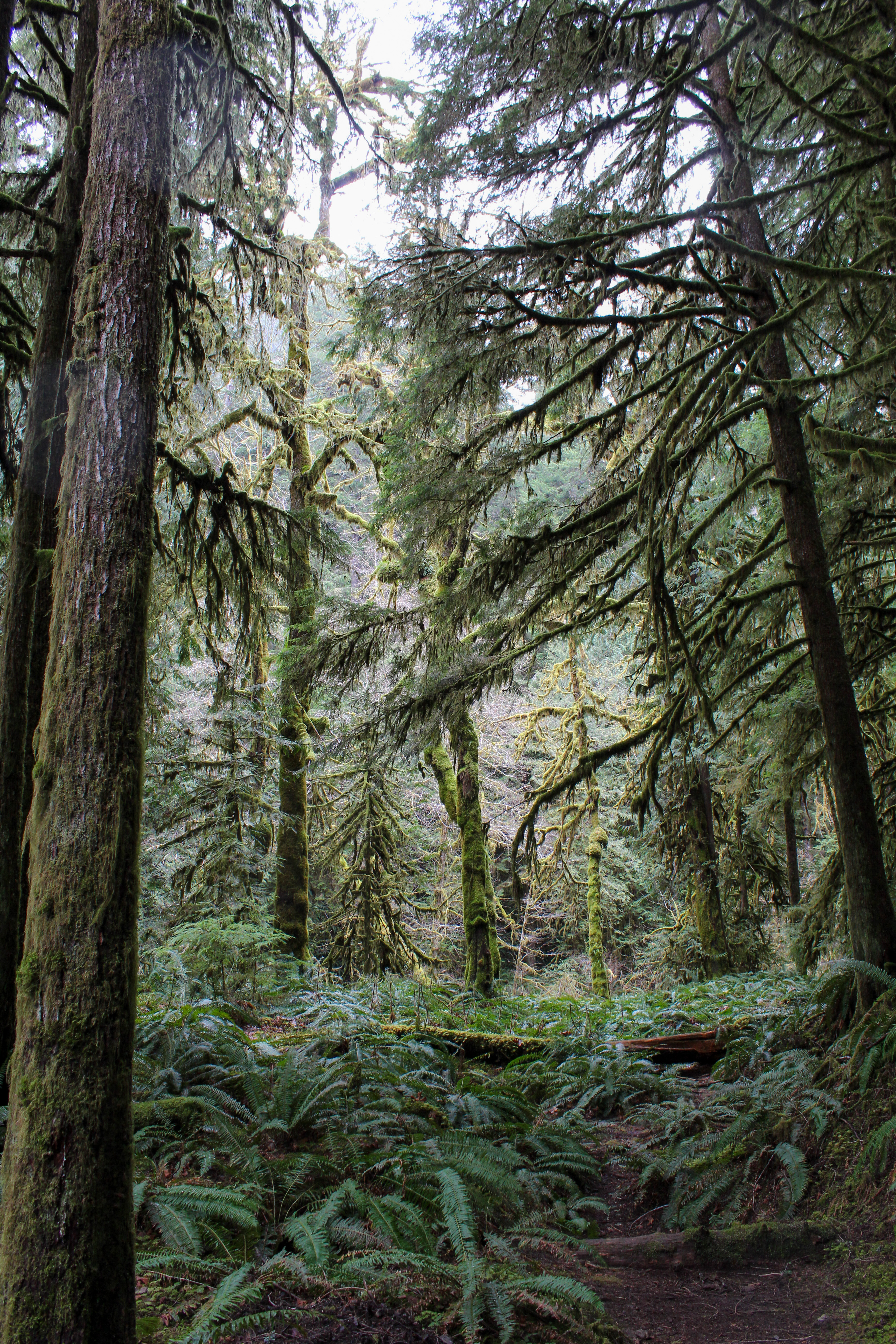
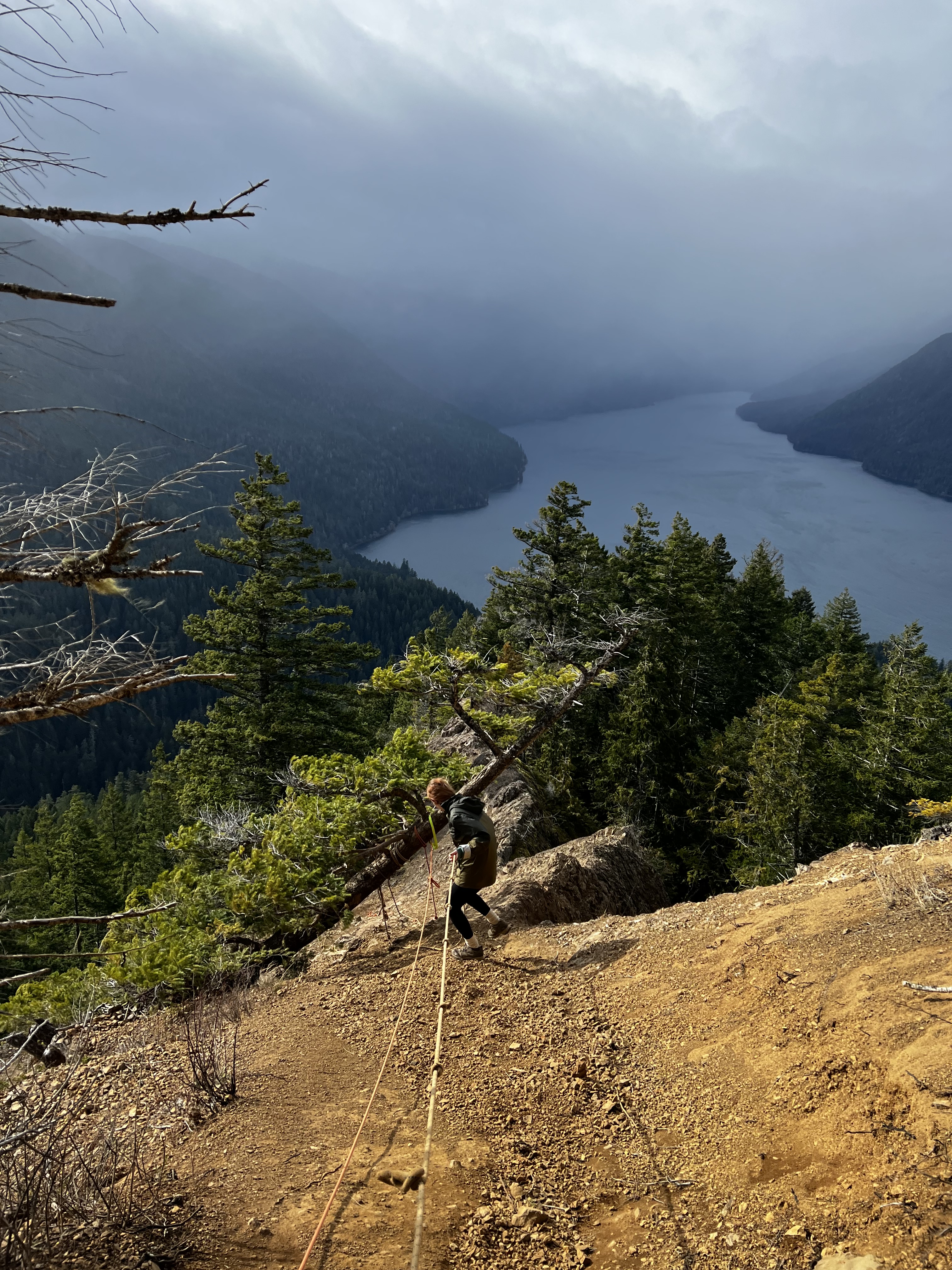
As a born and raised New Yorker, I often experience a wanderlust for the west coast. Trees that stretch upward to touch the clouds, mountains laced in fog, churning grey-green shorelines…truly, how could one not desire a long road trip out there? I particularly love the scenery in the Pacific Northwest region, which is full of dense forests and stormy seas (and that blue tint Catherine Hardwick popularized when filming Twilight if you use the filter HB2 on the VSCO app). This past weekend I ventured back to Seattle and drove with a few friends to Olympic National Park. It rained on and off, as it usually does, although we had some uncharacteristically sunny weather towards our final days of the adventure. It was an incredibly spontaneous trip—built on only two weeks of planning. As someone who strives to stay organized, I mapped out a few hikes I had been eyeing for a long time by other explorers on Instagram. Using the website all-trails, I searched for the best hikes in the area while taking into account difficulty ratings and roundtrip miles. The last time I had visited the park was during a blizzard, which meant that many of the trails were closed due to inclement weather. This time around I was determined to climb the social media famous Mount Storm King. Reaching over 4,500ft above sea level, this hike is rated “hard” and contains three ropes sections where hikers must pull themselves up the slippery cliffside after an exhausting three mile trek through the woods. I honestly don’t know how we made it. The day of our hike proved to be incredibly windy, making the trek all the more traitorous. What social media won’t show you is how dicey the peak actually is. After the rope section I thought the worst was over, but upon nearing the summit we quickly realized that we would need to scramble over a narrow rock pass with sheer drops on either side. I’m not too ashamed to admit that I wound up crawling to the finish line, especially because the wind kept trying to push us over the edge. It truly felt like a Cheryl Strayed moment when we took in the view, accompanied by a double rainbow. After our rental cary dying a few times, little to no sleep, evenings spent drinking in bed wearing face masks while watching the entire Twilight saga, and many long road trips…this was a short but eventful journey that will live rent free in my mind forever.
Processed with VSCO with a6 presetProcessed with VSCO with c3 presetProcessed with VSCO with a6 preset
Film, Literature, & Fashion: Inspired by the Middle Ages
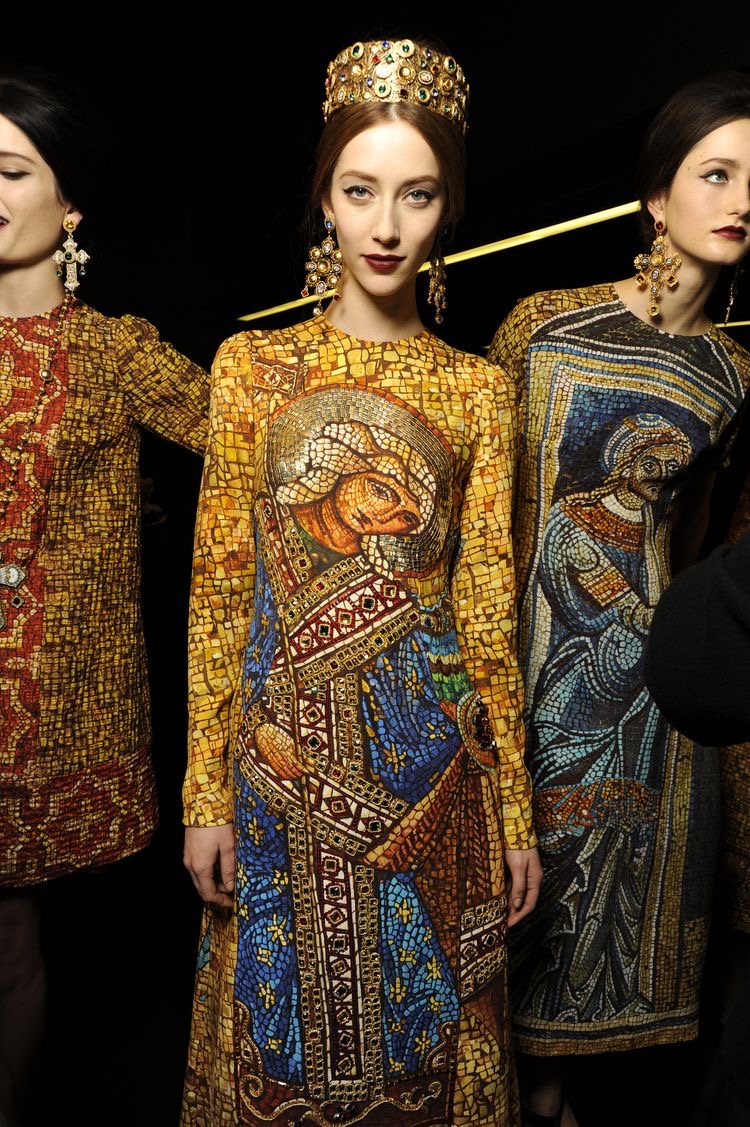
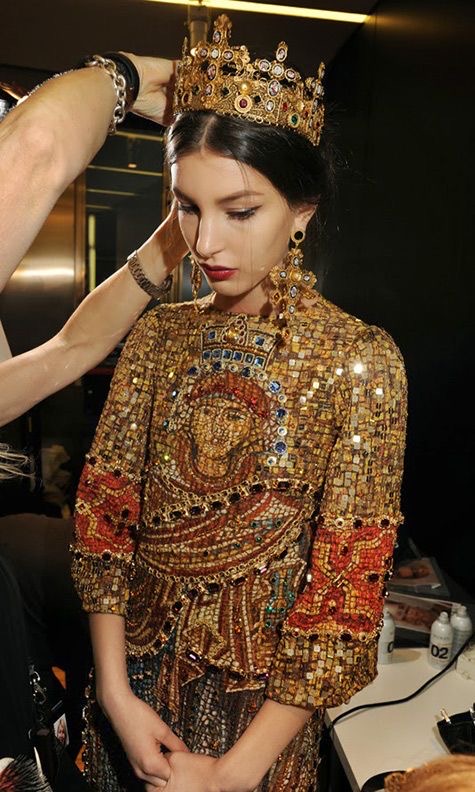
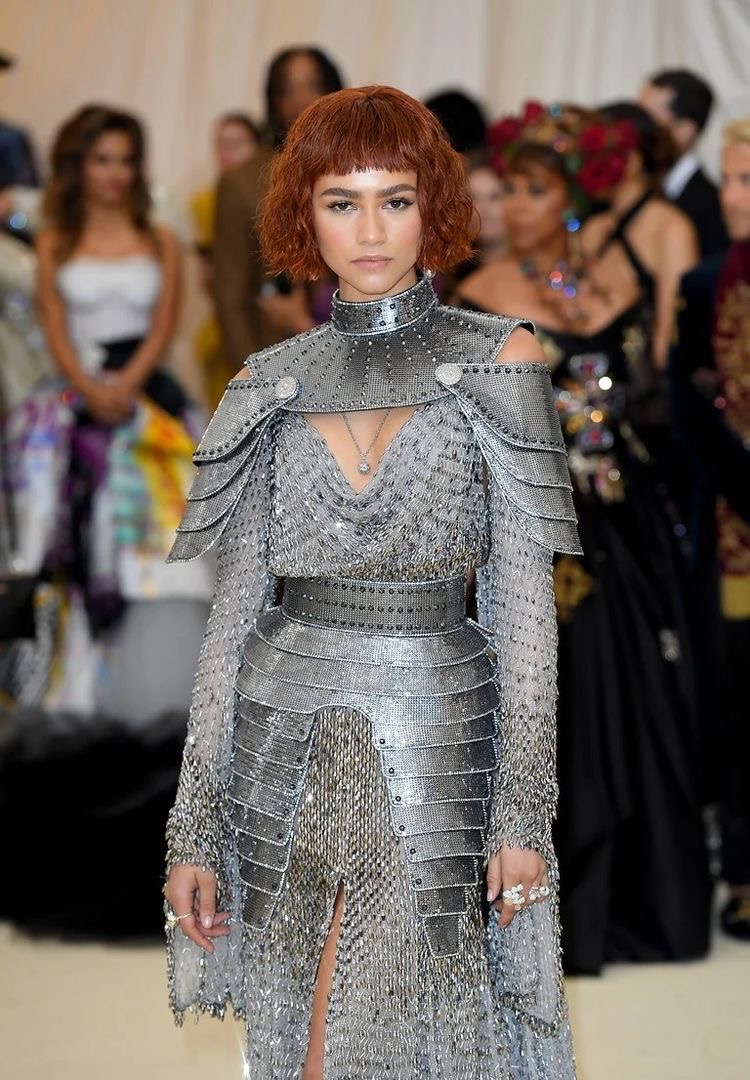
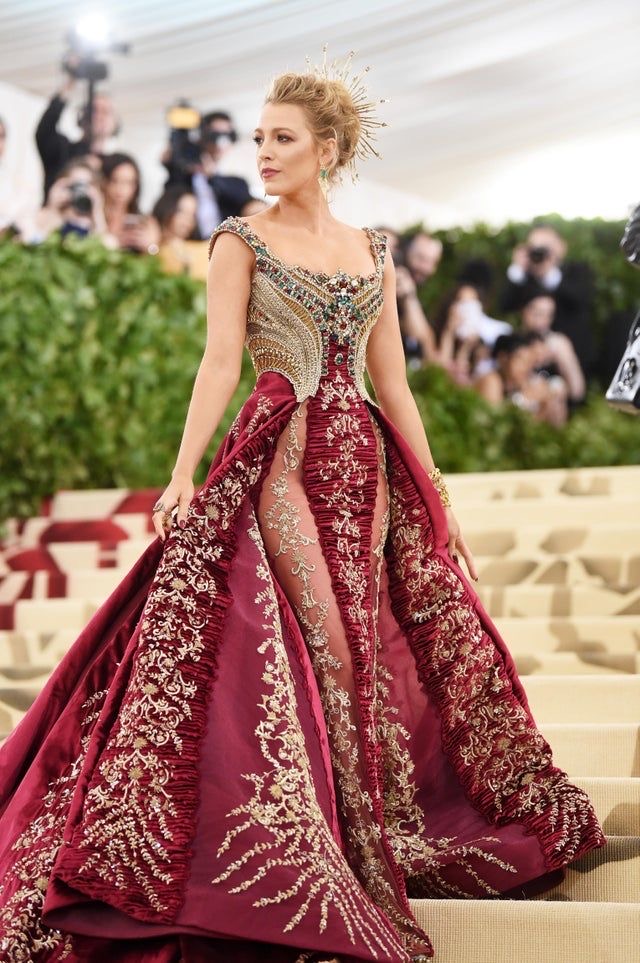
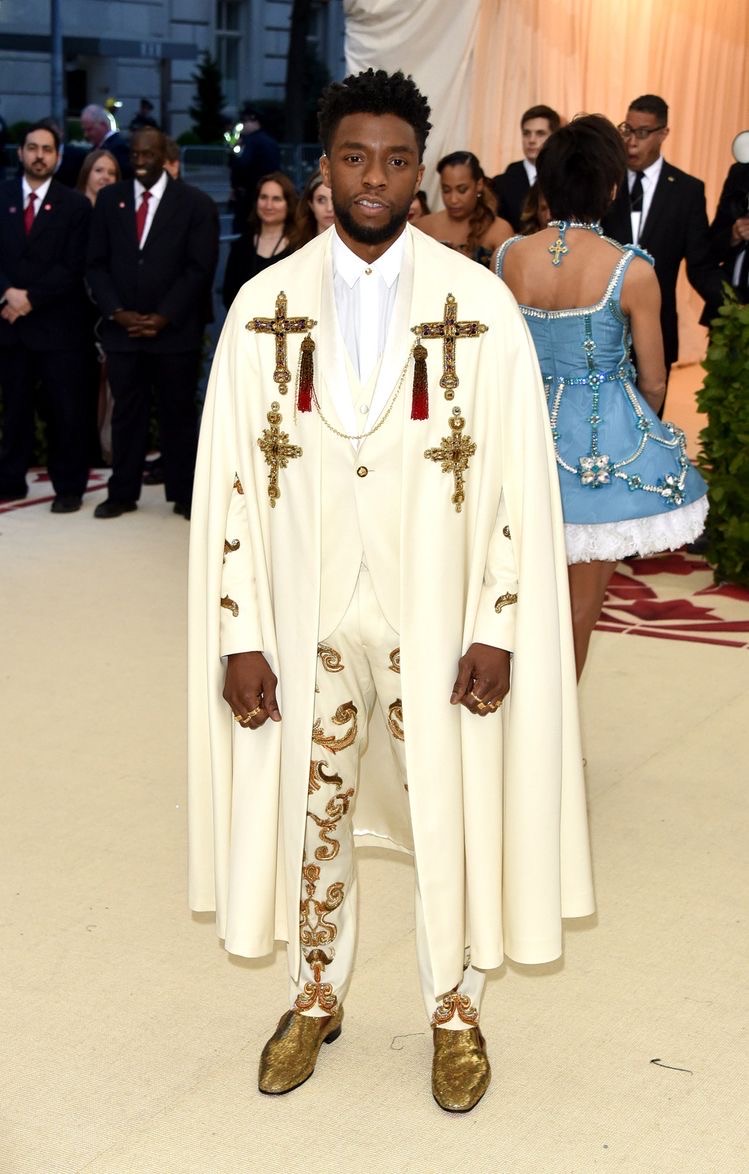
The marble halls were often filled with modest voyeurs, but on May 7th, 2018 its chambers were emptied out and sanctified in swaying incense—perfuming garbs of ecclesiastical grandeur. An arched window like that of an angel’s wing illuminated incandescent light upon the gilded armor woven into fabrics made of the finest silks, while hymnals echoed throughout the hallowed grounds. Brocade vests mimicked tapestries of macabre hunting parties, tucked between frocks of ivory gauze and glistening fourteenth-century chainmail. Better suited for a stone cathedral in the Middle Ages, the Metropolitan Museum of Art transcended into a venue of religious opulence for its annual gala. Prior to the this, some modern songwriters included segments of vocals and experimental instruments in their music that suggests feelings of lofty medieval choirs and lilting strums from a bard. Years later, several films premiered with similar archaic zeal, some of which were adapted from popular book publications in recent times. So why is it that there has been an uptick in infatuation with medieval history? Is it, perhaps, because of an obsession with the melancholy or mythical?
The word medieval generally evokes a sense of ancient oddities. If one were to truly analyze a painting from the era, or a stitch in some thick, dust-riddled pastoral needlepoint, it would become apparent that two elements stand out: romanticism and madness. What better recipe could there be for storytelling? This is how things become preserved—not through importance, but through intrigue. It is how some stories become classics while others fade into history. In an era of frenzied social media, where trends phase out quicker than most can join the latest unfashionable fad, period-centric aesthetics remain marketable. We have seen the rise in “y2k” and its predecessors, ‘90s grunge or the bohemian eccentricity that recalls designs of the late 60s, but the Middle Ages are making a comeback a mere few centuries later. It would be too easy to claim that this fascination has always been in popular culture because we have seldom seen such a wealth of fantasy and folklore inspiration in the past. Nowadays, it will be challenging to find stories that aren’t rich in folk tales, like that of studio house A24 and how most of their films reflect primordial narratives.
One such film was the recent Arthurian reimagining, The Green Knight directed by David Lowery. Starring Dev Patel, Alicia Vikander, and Joel Edgerton, the story recounts a Middle English poem about Sir Gawain, one of King Arthur’s knights. While this film received mixed reviews, the outcry of the displeased was mostly due to a misunderstanding of plot. We have become so accustomed to brutality and fast action in film that when a trailer promotes visuals of swords and prophecies, some are going to be disappointed if the movie does not provide the same fervor as acclaimed television and book series Game of Thrones. The film follows as such; upon accepting a foolish challenge, Gawain beheads a mysterious half-tree creature known as the Green Knight and falls into a worrisome bargain. Now he must seek the knight a year later so that his opponent can return the favor in chopping off Gawain’s head. Lacking the same mystical properties as the Green Knight, Gawain suffers through twelve months of mentally preparing to die. The ending, however, will leave audiences who have not been introduced to this eldritch tale, disgruntled. In an interview with Vogue, the film’s costume designer Malgosia Turzanska said she was drawn to “the multidimensional nature of the story—these ideas of the self, free will, faith, and fate (Turzanska, 2020).” This is no common gore galore, this is an emphasis on cautionary tales as being told through a heartwarmingly honest perspective. Although this is the first time we see a story of knights in a lighthearted fashion, other pseudo-medieval stories such as Game of Thrones still rank high on the charts.
As heard singing a haunting litany at the end of a particularly violent Game of Thrones episode, indie icon Florence Welch also exudes aesthetics from the Middle Ages. Better known as the lead singer of Florence and the Machine, her ethereal vocals can fluctuate between birdsong highs and devilish lows. While incorporating harps, drums, horns, and the occasional tambourine, Welch dances barefoot across the stage of each of her concerts while draped in sheer gowns of embroidered saintly iconography. Her mother is a Renaissance professor in England, thus her early exposure to medieval culture certainly spurred on a deep interest in the era. In an ironic jest of fate, even her appearance resembles a Pre-Raphaelite muse, with flowing auburn hair and a slanted bone structures. In a 2012 interview with BBC, National Gallery curator Andrew Graham-Dixon explores Renaissance paintings with Welch as she describes where she acquires her innovations. Just like her music, she states that some of the artworks are “very beautiful, but the more you look, the more disturbing it becomes.” Martyrs in particular are where she finds the artistry for most of her lyrics because “it’s about that transcendence—of leaving that pain in your body and letting the spirit go somewhere better (Welch, 2012).” She even named one of her songs from the Ceremonial album “leave my body.”
Florence Welch on how Renaissance art inspires her.
The themes in her music are generally to do with love, sex, and death because she claims that there is no updated version of any of the three. Our experience with death, for example, might vary in cause or precautions from the Middle Ages, but loss as a philosophical idea has not changed since then. We still have the same coping mechanisms and outlook on death as the textbooks will have us believe the peasantry of the medieval era did. This could be another reason for the resurgence in popularity due to our recent crisis with Covid-19 in relation to ailments such as the plague. It is the same notion that made Glen Whitman and James Dow write Economics of the Undead: Zombies, Vampires, and the Dismal Science. In fact, some of Welch’s songs reflect the same cadence found in fourteenth-century church music, of which resonated the concept of death as a transference of the soul into the afterlife. The same intonations are used within the indie folk band Fleet Foxes, whom also embellish their work as though derived from yellowing scriptures. One article from Times Leader titled Fleet Foxes Go Medieval suggest that “their lush harmonies have as much in common with Gregorian chorales as Simon & Garfunkel; the material sometimes sounds more suited for a castle court than a concert stage.” The bands debut album cover is the painting Netherlandish Proverbs by Dutch Renaissance painter Pieter Bruegel the Elder. An article from the Guardian called Why I Judge Albums by Their Covers notes that “The peasants are doing what peasants do – lighting candles for the Devil, bringing a basket of light into the day, filling the well after the calf has drowned. A woman in a red dress puts a blue cloak on her husband, signifying cuckoldry (Jones, 2009).” A nefarious note is struck, and suddenly this band links arms with Bruegel as if to say they are part of the scenery in the piece, painted between the well and the devil.
But Fleet Foxes is not the only one turning medieval paintings into modern gems. The annual Met gala announced in May 2018 that the collection theme would be Heavenly Bodies: Fashion and the Catholic Imagination. With showings ranging from the Anna Wintour Costume Center, the galleries at the Fifth Avenue location, and the Cloisters museum, this exhibit soon became the most visited display with over 7.3 million visitors in the fiscal year. In the announcement article from Vogue, Laird Borrelli-Persson comments that, “By placing fashion within the broader context of religious artistic production (like paintings and architecture), Costume Institute curator in charge Andrew Bolton, working alongside colleagues from the Met’s medieval department and the Cloisters, aims to show how material Christianity has helped form the Catholic imagination (Borelli-Persson, 2018).” Those same garbs of armor and incense infused gauze are held beneath the archives of the museum, preserved by their intrigue, and by their mystical origin.
Back when I once was a bookseller, my store acquired plenty of ARCs (advanced readers copies), and over time I developed quite the collection. One such ARC had been collecting dust on my shelves until about a month ago when I had an odd yearning for seafaring fiction. Things in Jars by Jess Kidd turned out to be just what I was looking for and so much more. In fact, I think I can safely say this book has become one of my top five favorite novels.
In the mildewy back alleyways of Victorian London, detective Birdie Devine can see ghosts…amongst other nefarious oddities. She solves mysteries like any good detective, although her uncanny abilities put her in strange paths—solving the disappearance of Christabel Berwick being one such adventure. Christabel, the secret daughter of Sir Edmund Athelstan Berwick, is a peculiar child with occult gifts and mer-like characteristics that draw perhaps too much attention from curiosity collectors. As Birdie sets forth on this case, she unearths memories from her past she had hoped to keep long buried.
While the characters in this novel are wonderfully unique, and the plot is reminiscent of folk horror stories, the writing is easily the best part. A bit confusing to get acquainted with at first, eventually the lyrical sentences and vivid imagery coalesce into an ethereal writing style that provides such a sharp, uncanny painting of each chapter. This style of writing can either make or break a book, but in my own bias I’ve decided that I simply adore it. It is just as chilling and metaphorical as the plot, effortlessly melding together the content and the way in which it is delivered to us readers. What I consider beguiling some might find a bit baffling, although we all read one story a million different ways.
Here are some excerpts from the earlier chapters, just to get a taste…
“The cook snores fruity, unpeeled, and well soaked under warm sheets, as solid and brandy scented as plum pudding.”
“Breathe in—but not too deeply.
…Follow the fulsome fumes from the tanners and the reek from the brewery, butterscotch rotten, drifting across Seven Dials. Keep on past the mothballs at the cheap tailor’s and turn left at the singed silk of the maddened hatter. Just beyond you’ll detect the unwashed crotch of the overworked prostitute and the Christian sweat of the charwoman. On every inhale a shifting scale of onions and scalded milk, chrysanthemums and spiced apple, broiled meat and wet straw, and the sudden stench of the Thames as the wind changes direction and blows up the knotted backstreets.”
“…autumn warmth, fuller-bodied and lovelier than summer heat, with the mellow dying of the season in it.”
Eight years ago, I sat in a dark theater expecting to watch a film about a woman going on a hike. I don’t particularly remember when I stared crying—perhaps it was the final scene where Reese Witherspoon took a few fawn-like steps across a vacant bridge overlooking swaths of bluish grey sky and towering pines interwoven with thick fog as El Cóndor Pasa by Simon & Garfunkel echoed in the distance. Maybe it was earlier on, when I started noticing that this was no mere movie about a long walk. I felt as though I had gone on the journey with Cheryl, so much so that once the fluorescent lights cascaded against us voyeurs, I was struck with a deep longing. Immediately after, I picked up the memoir by Cheryl Strayed.
Wild: From Lost to Found on the Pacific Crest Trail is a story about redemption and the healing power of nature. After losing her mother, her marriage, and any last lingering hope for a better future, Cheryl spent the early half of her twenties drowning in grief and making poor life decisions. Four years later, something changed. Blinded by her own sorrows, and with nothing more to lose, she decided to hike the Pacific Crest Trail, which runs from the Mojave Desert up the coast to Washington state, with no training and no travel companions—a desperate last reach upwards to haul herself out of the dark water.
This was both cathartic and suspenseful, brimming with potent imagery of the west coast and all of the dangers hiding beneath its grandeur beauty. Untrained and lost in more ways than one, the protagonist not only faces lethal creatures and possible stumbles off the side of a cliff, she walks the path of a lonely woman on a trail championed mostly by men. As depicted in both the novel and the film, there is a slight anxiety mentioned of what occurs when a woman is alone in the middle of the nowhere, yet Cheryl finds that the people on this trail are similar to her in that they are hiking to heal, or to experience the euphoria of completing such a strenuous plight. It is a heartwarming notion that evokes a sense of community found amongst fellow wanderers, and it provided Cheryl with the push she needed to start breaking down her guarded heart. Nature does that, it seems. The laborious efforts that go into conquering the PCT can bring a person to breaking point, and it is then that nature begins to heal. Some people might find it crazy to want to push one’s body and mind to such extremes, although there is a massive payoff that does not get enough attention. Being alone, submersed between mountains, streams, and desserts, with nothing but your own inner turmoil to conquer and the trail ahead, people find that reaching the end of the hike is gratifying in more than just a show of physical strength—it’s a mental strength too. You can cry and scream as much as you want on the trail, so long as you leave it behind, pick yourself up, and carry on. That is the essence of this memoir, and that is why this book has become so dear to me as a novice hiker myself (side note: I’ll be heading back to Washington state next week to hike Mount Storm King, so maybe I should drop the novice title).
The final shot of the film reflects the last passage of the novel. Overlapping the song, flitting like birds between the canopy, Witherspoon’s voice recites the last words:
What if all those things I did were the things that got me here? What if I was never redeemed? What if I already was?
It took me years to be the woman my mother raised. It took me 4 years, 7 months and 3 days to do it, without her. After I lost myself in the wilderness of my grief, I found my own way out of the woods. And I didn’t even know where I was going until I got there, on the last day of my hike. Thank you, I thought over and over again, for everything the trail had taught me and everything I couldn’t yet know.
How in 4 years, I’d cross this very bridge. I’ll marry a man in a spot almost visible from where I was standing. Now in 9 years, that man and I would have a son named Carver and a year later, a daughter named after my mother, Bobbi. I knew only that I didn’t need to reach with my bare hands anymore. That seeing the fish beneath the surface of the water would be enough…that it was everything. My life, like all lives, mysterious, irrevocable, sacred, so very close, so very present, so very belonging to me.






 Anthology of V.