Thoughts on Film Adaptations

Let’s talk about on screen adaptations. Whenever the rights of a popular novel are bought by production companies, fans are filled with equal parts glee and dread. I’ve seen and felt both, especially the latter. I often wonder what the author really feels, and if money weren’t an issue would they still want to have their novel come to life on the big screen? There are so many horror stories of the rights to a book series being bought only to then later be completely flipped inside out with little to no homage to the original material. Alternatively, there are so many series that I would absolutely adore to see on film, even though I know other fans might not share that sentiment. 

So what then truly makes a great book to film adaptation? It sounds like there’s one key element to make everyone happy—and that is to stay true to the plot as best as can be. When creating motion pictures out of written word, there is plenty of room for error but also for a wonderful rendition of the text. I’m a very visual person who tends to make up images in my head like that of a movie trailer when I get really invested in a story, so naturally I have been eager for some sagas to be retold cinematically. Yet even the most popular ones, like Game of Thrones, Big Little Lies, Twilight, and Harry Potter amongst hundreds more, have all faced backlash from critics because of how the film production strays from the text. It is rare that production teams who change the plot are praised for doing so, although on occasion it does occur if the changes remain true to the overall theme and motives of the characters. 

One of my favorite things about film adaptions is the music and fashion that comes along with it. People often don’t think of these two subjects at first, but I’ve found overtime that the atmosphere when shooting cinema can easily make or break a scene. From the minute details like lightning or the filters used when rolling to the bigger notions such as action and intent, every detail has to be weighed against the original script to honor the author and the fanbase that already exists. When creating these movies, production teams are lucky that they will already have a guaranteed large audience. Vice versa, authors will also get a new wave of readers based on the marketing of the film leading up to the premiere. 

There are few books that I love which have recently been bought by production companies for future adaptations, and while I am excited I cannot ignore the lurking dread. However, there are some film renditions of series that most people loathed and which I found to be quite appealing. Overall, it truly depends on how much the studio wants to do right by the original content. 

Novels for Tree Huggers

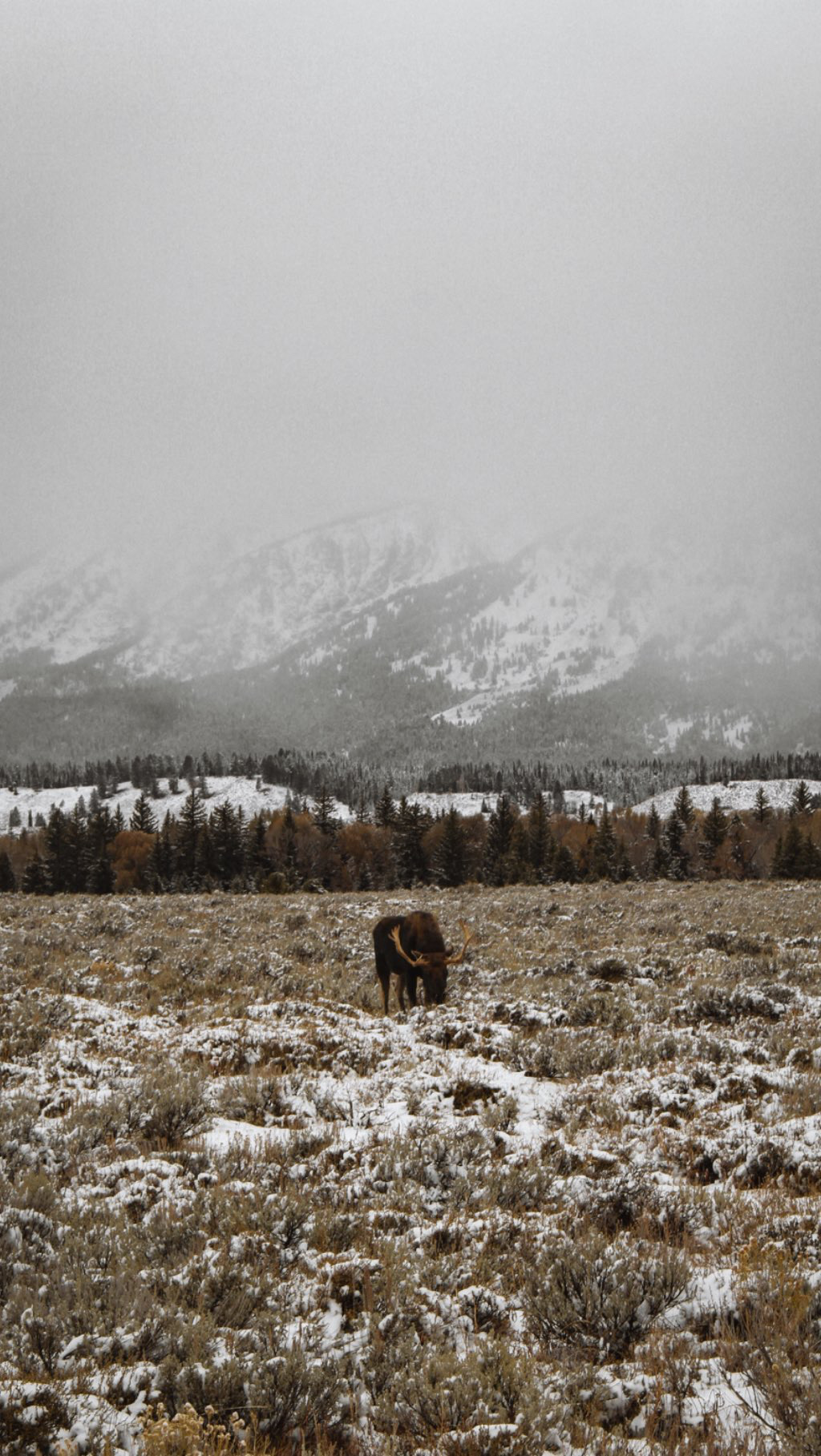
Lately I’ve been getting into the nature genre. That must sound strange to read, but there’s no other way to accurately state it. Saying I’ve always been a lover of nature isn’t as profound as claiming that I could easily see myself living out the rest of my days in the middle of a forest surrounded by mountains and creeks. Growing up, I used to spend all of my summers in the Catskills mountain range of New York. This might be part of the reason why I now have such a deeply rooted passion for exploring new terrain. Of all the national parks in this country, my favorites to visit are Olympic, Grand Teton, Joshua Tree, Zion, and the Redwoods. Driving for weeks can be exhausting, and there is certainly a lot of driving needed to visit all of these places. Whenever I’m not behind the wheel, I usually try to read something that will get me in the mood for our next hike. Here are some of my new (and classic) favorite nature-genre novels…

Wild: From Lost to Found on the Pacific Crest Trail by Cheryl Strayed: At twenty-two, Cheryl Strayed thought she had lost everything. In the wake of her mother’s death, her family scattered and her own marriage was soon destroyed. Four years later, with nothing more to lose, she made the most impulsive decision of her life. With no experience or training, driven only by blind will, she would hike more than a thousand miles of the Pacific Crest Trail from the Mojave Desert through California and Oregon to Washington State — and she would do it alone. Told with suspense and style, sparkling with warmth and humor, Wild powerfully captures the terrors and pleasures of one young woman forging ahead against all odds on a journey that maddened, strengthened, and ultimately healed her.

The Overstory by Richard Powers: The Overstory is a sweeping, impassioned work of activism and resistance that is also a stunning evocation of – and paean to – the natural world. From the roots to the crown and back to the seeds, Richard Powers’s twelfth novel unfolds in concentric rings of interlocking fables that range from antebellum New York to the late twentieth-century Timber Wars of the Pacific Northwest and beyond. There is a world alongside ours—vast, slow, interconnected, resourceful, magnificently inventive, and almost invisible to us. This is the story of a handful of people who learn how to see that world and who are drawn up into its unfolding catastrophe.

The Nature Fix by Florence Williams: From forest trails in Korea, to islands in Finland, to eucalyptus groves in California, Florence Williams investigates the science behind nature’s positive effects on the brain. Delving into brand-new research, she uncovers the powers of the natural world to improve health, promote reflection and innovation, and strengthen our relationships. As our modern lives shift dramatically indoors, these ideas—and the answers they yield—are more urgent than ever.

The Hidden Life of Trees by Peter Wohlleben: Wohlleben shares his deep love of woods and forests and explains the amazing processes of life, death, and regeneration he has observed in the woodland and the amazing scientific processes behind the wonders of which we are blissfully unaware. Much like human families, tree parents live together with their children, communicate with them, and support them as they grow, sharing nutrients with those who are sick or struggling and creating an ecosystem that mitigates the impact of extremes of heat and cold for the whole group. As a result of such interactions, trees in a family or community are protected and can live to be very old. In contrast, solitary trees, like street kids, have a tough time of it and in most cases die much earlier than those in a group. Drawing on groundbreaking new discoveries, Wohlleben presents the science behind the secret and previously unknown life of trees and their communication abilities; he describes how these discoveries have informed his own practices in the forest around him. As he says, a happy forest is a healthy forest, and he believes that eco-friendly practices not only are economically sustainable but also benefit the health of our planet and the mental and physical health of all who live on Earth.

Wintering: The Power of Rest and Retreat in Difficult Times by Katherine May:  Sometimes you slip through the cracks: unforeseen circumstances like an abrupt illness, the death of a loved one, a break up, or a job loss can derail a life. These periods of dislocation can be lonely and unexpected. For May, her husband fell ill, her son stopped attending school, and her own medical issues led her to leave a demanding job. Wintering explores how she not only endured this painful time, but embraced the singular opportunities it offered. A moving personal narrative shot through with lessons from literature, mythology, and the natural world, May’s story offers instruction on the transformative power of rest and retreat. Illumination emerges from many sources: solstice celebrations and dormice hibernation, C.S. Lewis and Sylvia Plath, swimming in icy waters and sailing arctic seas. Ultimately Wintering invites us to change how we relate to our own fallow times. May models an active acceptance of sadness and finds nourishment in deep retreat, joy in the hushed beauty of winter, and encouragement in understanding life as cyclical, not linear. A secular mystic, May forms a guiding philosophy for transforming the hardships that arise before the ushering in of a new season. 

Books That Became Social Media Famous

There will always be those few books floating around social media that get picked up by nearly every blogger. I cannot say if it is because of the aesthetically appealing cover, the content, or the promotional marketing, but if you look closely enough there usually tends to be a mass display of certain titles. One great example was the cult following of Rupi Kaur back in the grid-line and green plants era of 2014. Since then, the collection of poems has been so thoroughly advertised that I recently saw it for sale in the starved selection of poetry at an airport. I remember being enamored with Kaur’s writing until the second series of poems came out and I remember thinking to myself if social media didn’t exist, would this truly be as renowned as it is today? That’s not to say that Milk and Honey isn’t wonderful (although it’s definitely lost the hype it once had for me), or that any novel that becomes Insta-Famous doesn’t deserve the “clout” it garners…but the trivial thought remains. 

I often wonder how many times we purchase books for anything aside from the pivotal factor—the written work. I’m certainly no pretentious reader who claims to have torn through everything I’ve ever gotten my hands on, and it’s true that my TBR (to be read) pile has taken on frightening lengths, so I’m not too ashamed to say that there are some novels that have made autonomy on my shelf simply by being pretty or hyped up enough that I felt I simply needed to buy it to be a credible reviewer. What came to me as a parody blog post has taken a turn for consideration. I wanted to compile a list of books for any “It Girl” as a joke, although after looking at it I realized I’m guilty of reading most of these stories strictly because I found them through other blogs. So here it is. Below you’ll find the 2022 updated library of “aesthetic reads.” It could be a fun game to guess which ones most people have actually read (myself included). Eventually I hope to read them all…

  1. My Year of Rest and Relaxation by Ottessa Moshfegh
  2. Just Kids by Patti Smith (truly, any novel by Patti Smith)
  3. Black Swans by Eve Babitz
  4. The Year of Magical Thinking by Joan Didion 
  5. 101 Essays That Will Change the Way You Think by Brianna Wiest
  6. The Goldfinch by Donna Tartt
  7. Flux by Orion Vanessa
  8. Call Me By Your Name by André Aciman
  9. On Earth We’re Briefly Gorgeous by Ocean Vuong

Let me know if you’ve noticed others circulating frequently! I’m going to guess Cleopatra and Frankenstein by Coco Mellors will soon take the cake, and you can bet I’m really intrigued by the premise and hope to have a review soon once I actually read it. I’d love to go into the deeper psychological backing as to why these trends start, but I’m not qualified enough beyond my mere fascination with the rise and fall of fads on social media. 

A Modern Medieval Revival

Film, Literature, & Fashion: Inspired by the Middle Ages

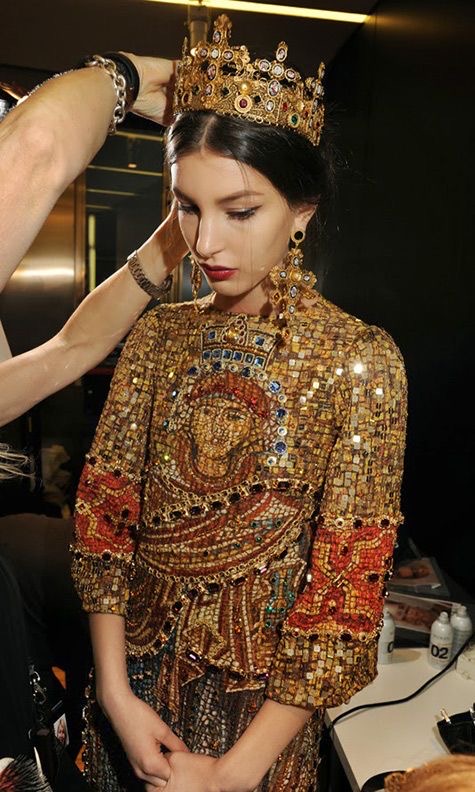
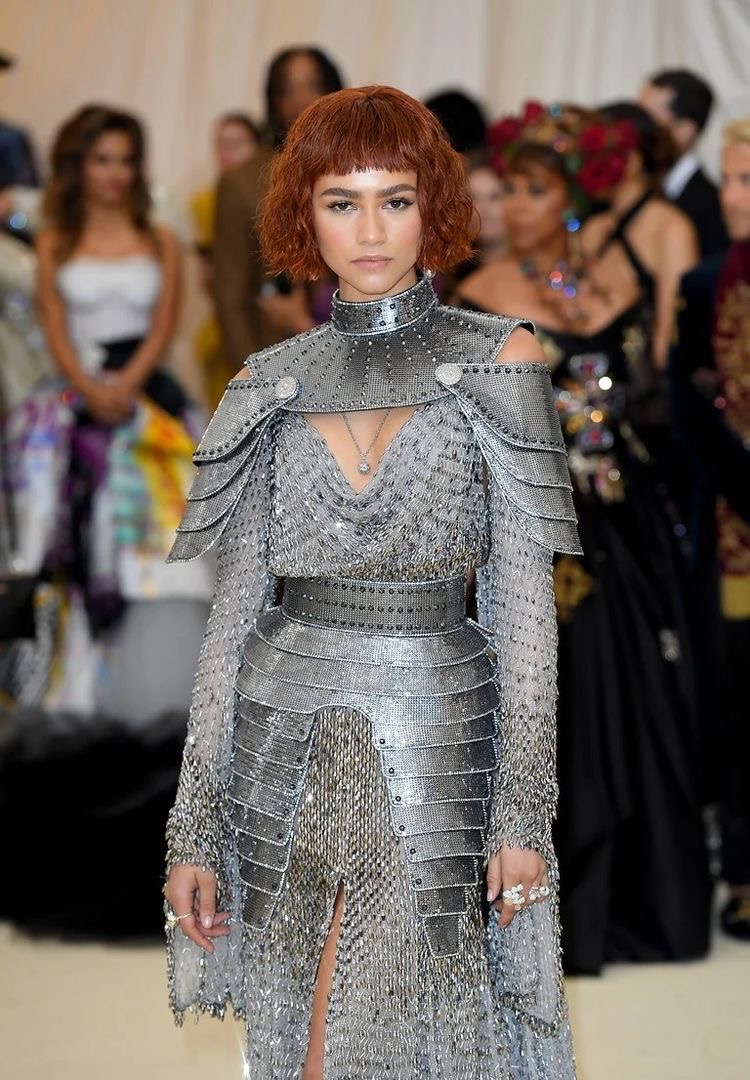
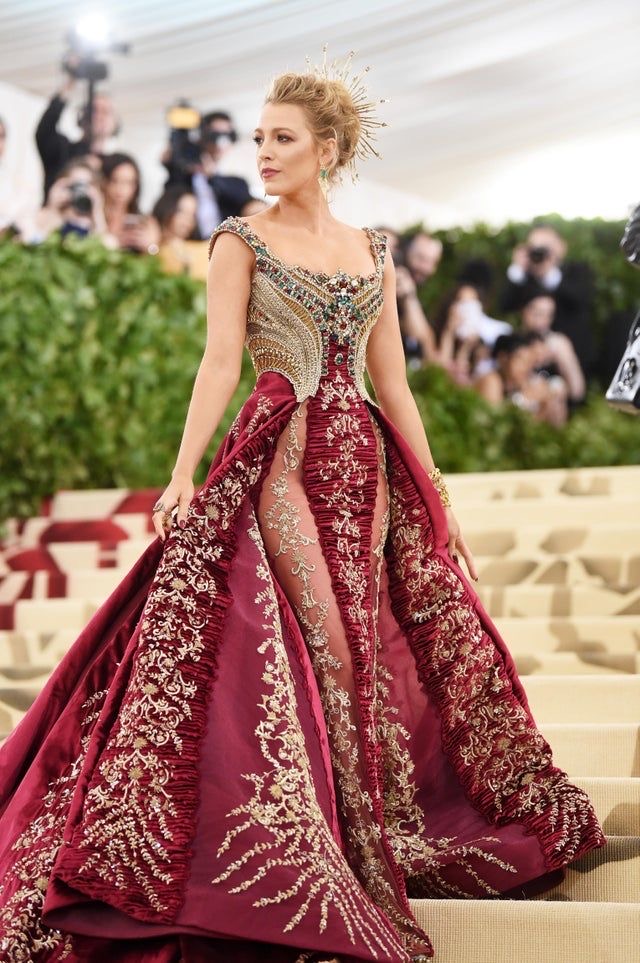
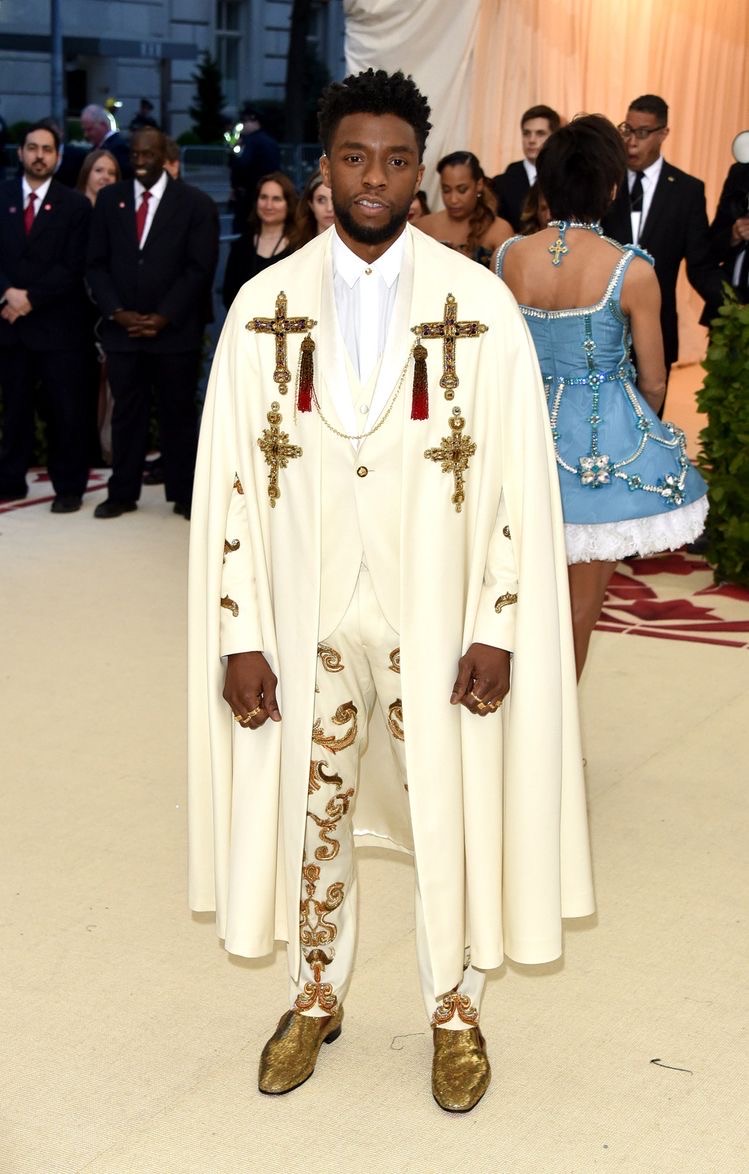
The marble halls were often filled with modest voyeurs, but on May 7th, 2018 its chambers were emptied out and sanctified in swaying incense—perfuming garbs of ecclesiastical grandeur. An arched window like that of an angel’s wing illuminated incandescent light upon the gilded armor woven into fabrics made of the finest silks, while hymnals echoed throughout the hallowed grounds. Brocade vests mimicked tapestries of macabre hunting parties, tucked between frocks of ivory gauze and glistening fourteenth-century chainmail. Better suited for a stone cathedral in the Middle Ages, the Metropolitan Museum of Art transcended into a venue of religious opulence for its annual gala. Prior to the this, some modern songwriters included segments of vocals and experimental instruments in their music that suggests feelings of lofty medieval choirs and lilting strums from a bard. Years later, several films premiered with similar archaic zeal, some of which were adapted from popular book publications in recent times. So why is it that there has been an uptick in infatuation with medieval history? Is it, perhaps, because of an obsession with the melancholy or mythical? 

The word medieval generally evokes a sense of ancient oddities. If one were to truly analyze a painting from the era, or a stitch in some thick, dust-riddled pastoral needlepoint, it would become apparent that two elements stand out: romanticism and madness. What better recipe could there be for storytelling? This is how things become preserved—not through importance, but through intrigue. It is how some stories become classics while others fade into history. In an era of frenzied social media, where trends phase out quicker than most can join the latest unfashionable fad, period-centric aesthetics remain marketable. We have seen the rise in “y2k” and its predecessors, ‘90s grunge or the bohemian eccentricity that recalls designs of the late 60s, but the Middle Ages are making a comeback a mere few centuries later. It would be too easy to claim that this fascination has always been in popular culture because we have seldom seen such a wealth of fantasy and folklore inspiration in the past. Nowadays, it will be challenging to find stories that aren’t rich in folk tales, like that of studio house A24 and how most of their films reflect primordial narratives. 

One such film was the recent Arthurian reimagining, The Green Knight directed by David Lowery. Starring Dev Patel, Alicia Vikander, and Joel Edgerton, the story recounts a Middle English poem about Sir Gawain, one of King Arthur’s knights. While this film received mixed reviews, the outcry of the displeased was mostly due to a misunderstanding of plot. We have become so accustomed to brutality and fast action in film that when a trailer promotes visuals of swords and prophecies, some are going to be disappointed if the movie does not provide the same fervor as acclaimed television and book series Game of Thrones. The film follows as such; upon accepting a foolish challenge, Gawain beheads a mysterious half-tree creature known as the Green Knight and falls into a worrisome bargain. Now he must seek the knight a year later so that his opponent can return the favor in chopping off Gawain’s head. Lacking the same mystical properties as the Green Knight, Gawain suffers through twelve months of mentally preparing to die. The ending, however, will leave audiences who have not been introduced to this eldritch tale, disgruntled.  In an interview with Vogue, the film’s costume designer Malgosia Turzanska said she was drawn to “the multidimensional nature of the story—these ideas of the self, free will, faith, and fate (Turzanska, 2020).” This is no common gore galore, this is an emphasis on cautionary tales as being told through a heartwarmingly honest perspective. Although this is the first time we see a story of knights in a lighthearted fashion, other pseudo-medieval stories such as Game of Thrones still rank high on the charts.

As heard singing a haunting litany at the end of a particularly violent Game of Thrones episode, indie icon Florence Welch also exudes aesthetics from the Middle Ages. Better known as the lead singer of Florence and the Machine, her ethereal vocals can fluctuate between birdsong highs and devilish lows. While incorporating harps, drums, horns, and the occasional tambourine, Welch dances barefoot across the stage of each of her concerts while draped in sheer gowns of embroidered saintly iconography. Her mother is a Renaissance professor in England, thus her early exposure to medieval culture certainly spurred on a deep interest in the era. In an ironic jest of fate, even her appearance resembles a Pre-Raphaelite muse, with flowing auburn hair and a slanted bone structures. In a 2012 interview with BBC, National Gallery curator Andrew Graham-Dixon explores Renaissance paintings with Welch as she describes where she acquires her innovations. Just like her music, she states that some of the artworks are “very beautiful, but the more you look, the more disturbing it becomes.” Martyrs in particular are where she finds the artistry for most of her lyrics because “it’s about that transcendence—of leaving that pain in your body and letting the spirit go somewhere better (Welch, 2012).” She even named one of her songs from the Ceremonial album “leave my body.”

Florence Welch on how Renaissance art inspires her.

The themes in her music are generally to do with love, sex, and death because she claims that there is no updated version of any of the three. Our experience with death, for example, might vary in cause or precautions from the Middle Ages, but loss as a philosophical idea has not changed since then. We still have the same coping mechanisms and outlook on death as the textbooks will have us believe the peasantry of the medieval era did. This could be another reason for the resurgence in popularity due to our recent crisis with Covid-19 in relation to ailments such as the plague. It is the same notion that made Glen Whitman and James Dow write Economics of the Undead: Zombies, Vampires, and the Dismal Science. In fact, some of Welch’s songs reflect the same cadence found in fourteenth-century church music, of which resonated the concept of death as a transference of the soul into the afterlife. The same intonations are used within the indie folk band Fleet Foxes, whom also embellish their work as though derived from yellowing scriptures. One article from Times Leader titled Fleet Foxes Go Medieval suggest that “their lush harmonies have as much in common with Gregorian chorales as Simon & Garfunkel; the material sometimes sounds more suited for a castle court than a concert stage.” The bands debut album cover is the painting Netherlandish Proverbs by Dutch Renaissance painter Pieter Bruegel the Elder. An article from the Guardian called Why I Judge Albums by Their Covers notes that “The peasants are doing what peasants do – lighting candles for the Devil, bringing a basket of light into the day, filling the well after the calf has drowned. A woman in a red dress puts a blue cloak on her husband, signifying cuckoldry (Jones, 2009).” A nefarious note is struck, and suddenly this band links arms with Bruegel as if to say they are part of the scenery in the piece, painted between the well and the devil.

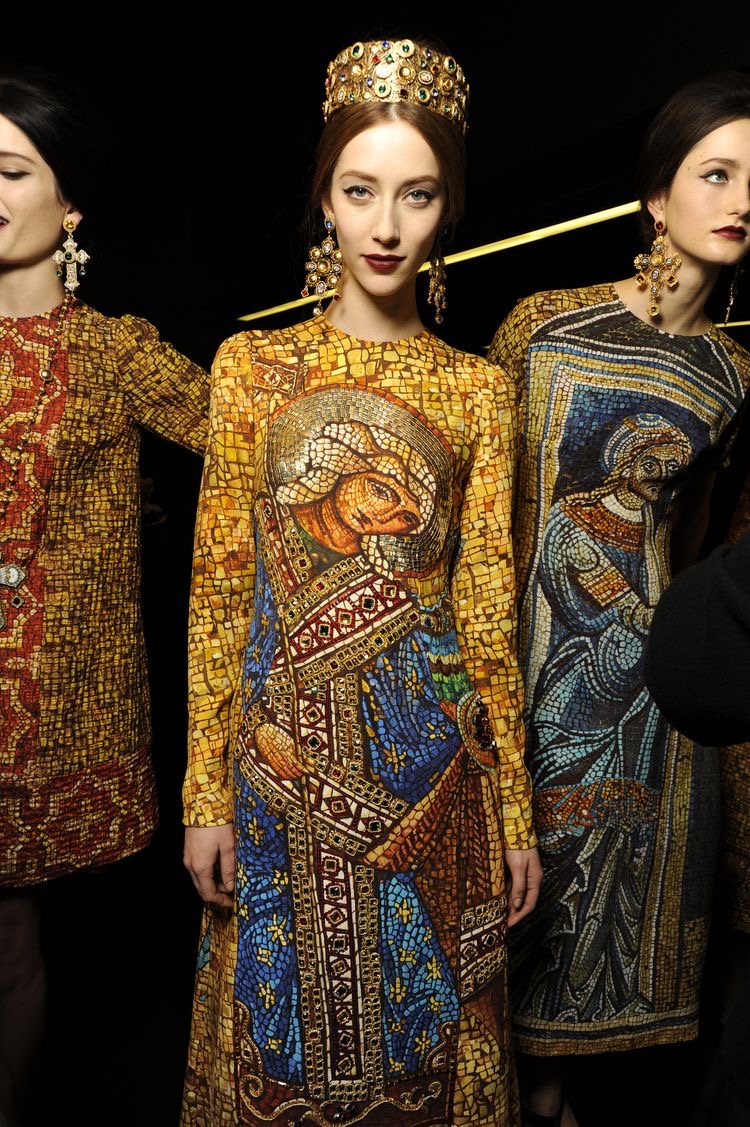
But Fleet Foxes is not the only one turning medieval paintings into modern gems. The annual Met gala announced in May 2018 that the collection theme would be Heavenly Bodies: Fashion and the Catholic Imagination. With showings ranging from the Anna Wintour Costume Center, the galleries at the Fifth Avenue location, and the Cloisters museum, this exhibit soon became the most visited display with over 7.3 million visitors in the fiscal year. In the announcement article from Vogue, Laird Borrelli-Persson comments that, “By placing fashion within the broader context of religious artistic production (like paintings and architecture), Costume Institute curator in charge Andrew Bolton, working alongside colleagues from the Met’s medieval department and the Cloisters, aims to show how material Christianity has helped form the Catholic imagination (Borelli-Persson, 2018).” Those same garbs of armor and incense infused gauze are held beneath the archives of the museum, preserved by their intrigue, and by their mystical origin. 

Sources:

Archivist, T. L. (2021, April 3). Fleet Foxes Go Medieval. Times Leader. Retrieved February 16, 2022, from https://www.timesleader.com/archive/1197331/fleet-foxes-go-medieval

Borrelli-Persson, L. (2017, November 8). Met gala 2018 theme revealed: “Heavenly bodies: Fashion and the catholic imagination”. Vogue. Retrieved February 16, 2022, from https://www.vogue.com/article/met-gala-2018-theme-heavenly-bodies-fashion-and-the-catholic-imagination

Hess, L. (2021, August 5). The Green Knight’s Malgosia Turzanska on her radical vision for its medieval costumes. Vogue. Retrieved February 16, 2022, from https://www.vogue.com/article/the-green-knight-malgosia-turzanska-interview

Jones, J. (2009, February 25). Why I Judge Albums by Their Covers. The Guardian. Retrieved February 16, 2022, from https://www.theguardian.com/artanddesign/jonathanjonesblog/2009/feb/25/album-covers-art

Dealing With Social Anxiety

Something has been eating at my mind all week and I felt the need to write it down before I pass it along as just another “paranoid thought.” I feel as though we are all always striving to meet new people, and thus make new relationships as we age, because we are all somewhat vulnerable and in need of human contact.

Personally, I feel most comfortable when I’m alone and am not obliged to hug or shake hands with others. I was often reprimanded for my “rude” behavior, when in retrospect my hesitance for physical contact was reflective of how I view myself and where I find my comfort zone. But this still didn’t change the fact that when I was home alone at night, with my brother at my father’s house and my mother with her boyfriend, I felt isolated… and not in the way I usually preferred.

I think its horribly easy to pass off a stranger as someone who is disconnected from the world if they don’t meet your eyes, aren’t willing to have physical contact, and who don’t know how to respond to certain messages. Of course, you could also deem them as being socially awkward and leave it at that. However, my fellow introverts and I have the same notions and perceptions about the world that the rest of the extroverts do. We just aren’t able to communicate these things as well as others because limited opportunities present themselves where we can feel comfortable enough to express what really is going on inside our minds.

But instead of categorizing myself and a million other people as being socially inept, I’m going to tell you about my own story and how I’ve come to deal with being known as the “quiet girl” who somehow managed to garner a massive crowd on onlookers.
So yes, I have social anxiety.

There are a few reasons as to why I hate summer. For starters, it’s too freaking hot, I constantly get sunburns even after applying proper protection, and everything is too bright for me to take my type of photography. Although, the biggest notion I hate about summer is seeing everyone I know come home from college to our small town for the next two or three months. I realize how that sounds. It seems as though I’m angry with the world, that I hate people, and that I made no friends in high school.

I realize these perceptions, because I’ve had people tell them to my face. The reality is this: I enjoyed high school and I think plenty of the students who attended with me are really sweet and creative. But on the other hand, I always feel as though when they look at me, they’re noticing any blemishes I have, what clothes I’m wearing, if I’m not smiling big enough, and that I still can’t hold a proper conversation without misunderstanding many references about parties or alcohol.

While I know that I’m likely being paranoid, I can’t help but think these things upon seeing people I went to school with. It doesn’t help that I’m usually alone— as I prefer to often be— and they’re usually in groups of four or eight. To be fair, I know that I could just go up to them and start a polite conversation about where they’re going and what they’re studying. But the awful thing is, I still see myself in the high school stigma wherein the friend you make in middle school are the ones you will be bound to until graduation. I know this because I dealt with it. I tried to leave a toxic friend group… and ended up having nobody for months.

It was the last few months of senior year— the few months where schoolwork doesn’t seem to count, there are always parties on the weekends, and the people you were friends with were the ones you’d talk to on Facebook for the next decade until they start to get married.

In the beginning of the year I had a group of about six friends, and we were all incredibly close with one another. Everyone was so different yet we had a common ground that built our kinship over the years. And halfway through the first semester, there was a party that all of us attended. As you might be able to imagine, this was the turning point. This was where arguments that had been silently brewing for months exploded in a violent fury, and the group was divided by who was on which side of the cannon fire. I tried to remain neutral, but of course that only acted against me.

It wasn’t until the police were involved when I realized the reason I couldn’t make friends outside of my immediate circle wasn’t just due to my social anxiety, but because I was already labeled as being a part of this “pack.” And when I stepped back and saw how my friends were behaving— constantly thriving on drama, talking badly about others who they barely knew, and picking fights over the smallest of things…. I had to withdraw. I had to escape that, because that wasn’t who I was and I felt disgusted and saddened just knowing it took me that long to figure it out.

So I stopped. I stopped talking to them, sitting with them at lunch, texting, partying, seeing them on weekends. I cut off all connections. And by doing so, I completely isolated myself from everyone in the school.

My mother told me, as I was in tears and having a panic attack that I didn’t know who to go to senior prom with, that I should try talking to other students— ones that were in my favorite art or literature classes. I don’t blame her for suggesting this, but I know that our generations are programmed differently and doing as she asked would be more impossible the she had intended. Making friends so late into the school year was nearly sacrilege— people would wonder why I’m talking to them after four years, and why I wasn’t present with my “group.” They would assume the worst. And I didn’t have the physical or mental strength to go through that again.

I was at my end. Stressed, anxious, depressed… not even the next installment of my favorite series could lift me out of my slump.

But I realized something during those weeks. I’m no different than anyone else, even thought my situation may be. Everyone faces hardships, and this was just something that I caused on my own and something that I had to fix on my own. So instead of seeking friendships, I started to fix the most important one: the one I had with myself.

I read more, blogged more, starting taking better photography and positing it online. I discovered new music (like Florence Welch and Fleet Foxes) and became enraptured with this whole “aesthetic” that I had never experienced before. I decided I wanted that— to be completely within my own imagination and not give a fuck about what anyone else thought if I, for instance, decided to wear chainmail as an accessory. (Not the fancy jewelry type. I’m talking full out LARPing and cosplay chainmail.) And although I didn’t smile more, because that doesn’t mean anything in regards to my emotional being, I felt a million times happier. I was liberated, and free to wander in my creativity that had been sitting silently for me to recognize it.

After reading about these heroines who slew dragons and navigated court politics against overpowered kings, I thought to myself— why the hell can’t that be me? Sure I might not find a dragon anytime in the near future, but I can certainly navigate my way around toxic relationships and not feel sorry for myself while I celebrate my strength.

Nevertheless, I still have social anxiety. Some scars are permanent, after all. However, it has evolved into something that I have control over and am able to push aside when I put my mind to it. I’ve never felt so sure of myself, even when I still have doubts and still feel lost. The knowledge that I will always have tomorrow to fix what I’ve wrought today has helped me grow into the person I am.

When people message me on Instagram or one of my other social medias and say they were hesitant to address me because they were anxious about how I would respond, I sometimes don’t know what to think. So, I tell them the truth. Don’t be wary of me, because we’re no different from each other. Just because I run a blog doesn’t mean that I’m an extrovert with wonderful social skills.

I am who I am.

Introverted, creative, and willing to face anything life throws at me.
Jeannette Walls: The Glass Castle Q+A

glass castle beachJust this previous week I was lucky enough to see a screening of the book adaption The Glass Castle thanks to Lionsgate. The book is written by Jeannette Walls and the movie was directed by Destin Daniel Cretton. The story follows four siblings as they are raised on the run, constantly moving from home and adapting to their new environments. Their parents are wild, carefree, and reckless, but they’ve also taught their children a way to experience the world that no other kids in their predicament ever could understand. That nostalgia is what ignites a moment of reflection for Jeannette as she is on her way to a fancy event in New York City and looks out her taxicab to see her mother picking through a dumpster. The Walls parents are found squatting in an abandoned building on the Lower East Side, having traveled half way across the country to the city so they can be near their children who’ve only ever wanted to distance themselves from their dangerous childhood.

The movie was a brilliant adaption of the book, staying true to every plot and characteristic while also keeping the more morbid and troublesome to read scenes slightly less dark. If anything, the movie was a tad lighter and more peaceful than the chaotic wilderness of the book, but both the novel and the film ended on a similar note with the same intended message.

Brie Larson was phenomenal and played the part of Jeannette as though she had taken in a part of her soul. You could really see it in the actor’s eyes how deeply connected she became with her character, especially because the book is a biography and the author was revealed to often be on the set of the shoot. It was magical to watch unfurl, and there were numerous times where I had to hold back tears.

During a Q&A interview with the Jeannette Walls, Naomi Watts, and Brie Larson, the women of the Glass Castle movie spoke about their time on set, getting to adapt to their characters, and learning from the story the importance of empowering yourself. The whole atmosphere of the event was saturated in deep conversations about inner strength. Walls is a remarkable speaker as well! Occasionally I’ve notice some authors who aren’t the strongest public speakers, but Jeannette could be on TED with how well she communicated with us all.

A member of the press asked “The tension between self-preservation and care for others is a theme throughout the entire film, and I would love to hear your experiences dealing with this both as an individual and when in the film.” Jeannette then tells us all that this is something she has wrestled with for most of her life because she is a survivor. She then explains that while many people have asked her how she could forgive her parents for all that they have caused her, she believes the only person she needed to forgive was herself.

Jeannette explained that “we who pull ourselves up by the bootstraps and have to make some tough choices to get by are a bit selfish. And that was one of the transformative things about watching this movie— seeing Brie Larson making these tough choices. I loved her and was rooting for her in a way that I never loved or rooted for myself. It was kind of magnificent.”

The Glass Castle is now in theaters everywhere and you can watch the trailer by clicking right here. I highly recommend bringing your tissues! It’ll be an emotional ride.

Bookstagram Tips

Bookstagram Tips

I recently posted a poll on my Twitter account asking you guys what you’d like to see next on the blog, and “Bookstagram Tips” won by a landslide. I hope this can help at least one person! Let me know if it does! // Instagram: SeelieKnight.

Lighting— this is almost as important as what you’re taking the photo of, because not only does it help the quality of the picture, it also makes the whole image seem a thousand times more pleasing to the eye. Dusk and dawn are the two best times to take photos, whether it be inside or out. Those times of day offer a hazy light that intensifies the HQ of your photo without even needing a filter. Also, even if you are taking the photo indoors—utilize the sunlight. Open some windows and take advantage of the natural lighting. Otherwise using devices such as lamps can cause the photo to turn a yellow/orange tone. I might love those colors when it comes to aesthetics, but not in that context.

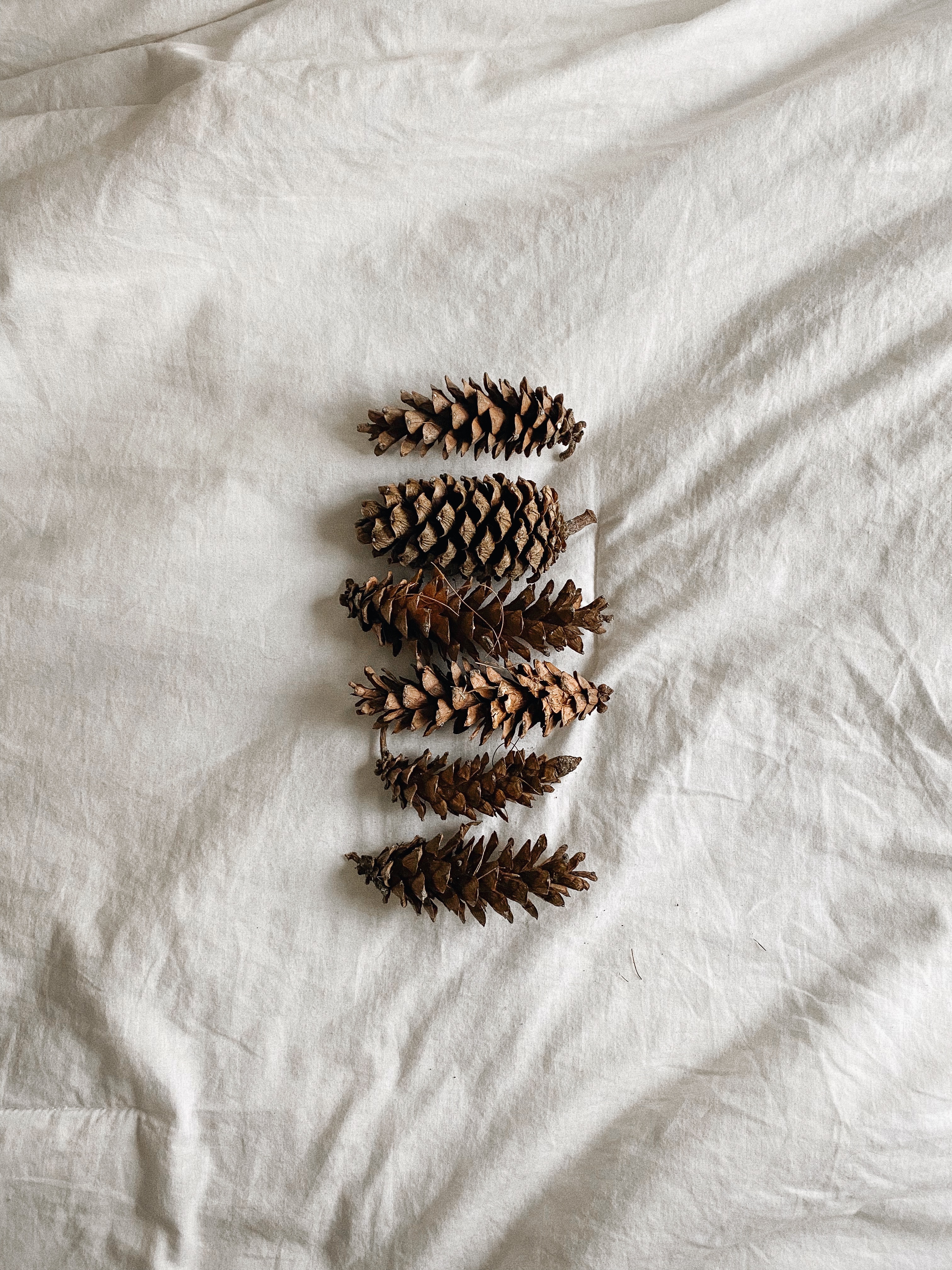
Environment—I get it. White bed sheets are very pretty to look at because they’re great for a minimalist background. But enough is enough! I wont hark on using your bedroom as your main source of photography (because I’ve recently moved and god only knows how many pictures I will be taking of my new home decor), but it’ll do some good to throw in an outdoorsy setting once in a while. A little “something” to zest up your Instagram feed. And if you post mostly outdoor photos…then perhaps try some indoor ones? They don’t necessarily have to be in your bedroom. They can be inside of a cafe, a kitchen, or even a bathtub. Go for it! Explore your settings and think creatively.

Zoom/Lens— not everyone takes their photography using professional cameras. I certainly don’t. It’s true that while I do own an old Canon that shoots just fine, I often take photos right from my iPhone 5se. What really makes a difference is the way in which you’re shooting the photo. In other words: use your lens wisely! I prefer when things are dead center with clean cut angles (but that’s just my own personal preference) so when I’m taking a photo, I like to adjust everything to my stance and the distance of the object to my camera lens. It sounds obvious, but believe me…I’ve seen things.

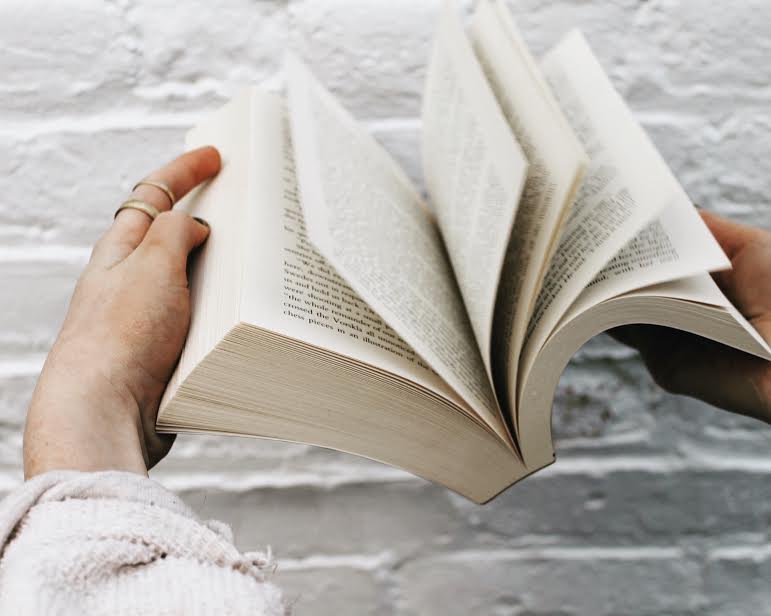
Quantity— this is an easy tip. Just take a ton of photos. Even when you’re shooting a picture of a book propped against a white wall, take at least ten photos from different angles so that later you can review all of them. This will help improve not only the quality of your photos, but also give you a better understanding of where you are as a photographer. The more you study these small, annoying details, the better you will be at avoiding the nuisances during your next shoot.

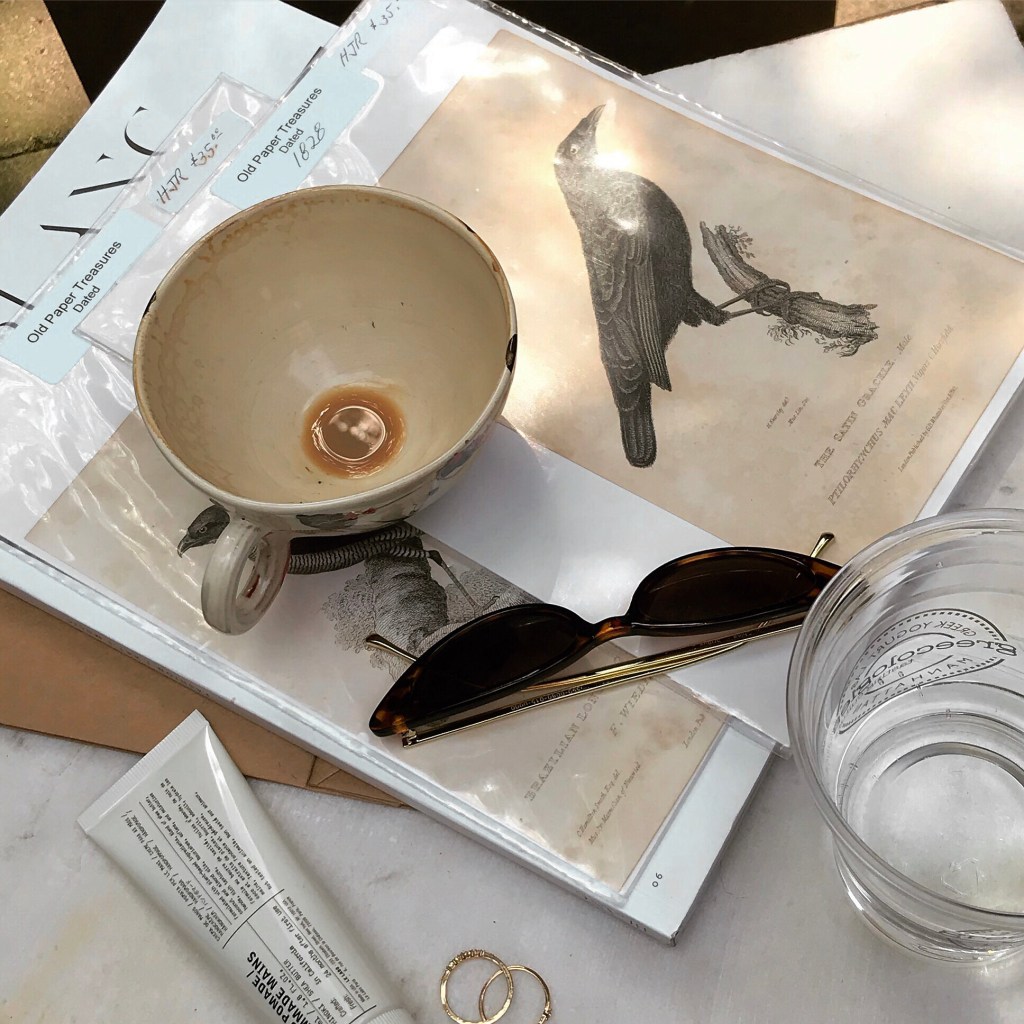
Aesthetic— now for the fun (and worst) part! An ‘aesthetic’ for those that have heard the phrase thrown around but never truly researched the meaning is essentially the way in which a group of things comes together to give off a vibe(s). For instance, you can have a plant aesthetic on Instagram if you post a bunch of greenery photos. I’ve even seen people come up with their own aesthetic terms such as “pale gold” and it’s actually wonderful. I really enjoy the whole concept! However, it get’s super aggravating when you try to stick to one aesthetic, because your photos are bound to look different each time you take them. Especially if you’re mixing seasons (autumn cannot come soon enough).

  1.  choose a tone (warm v cold)
  2. find a pleasing color palette (lots of pink? green? rainbow?)
  3.  use basic colors (white, black, grey) to balance out the others
  4.  have fun

Filters— there are many filtering apps out there, but the best by far is VSCO. Almost everyone uses it, and with good reasoning. Much like keeping a consistent aesthetic is great to have, also using the same filter can help maintaining that theme. VSCO offers many filters, most of which you won’t have to touch up once you’re finished. It’s definitely worth getting. My personal favorite filters on the app are A6 and HB2.

Time— okay, so this “tip” has two parts. First, pace yourself. If you start feeling overwhelmed by the need to constantly be posting photos, then it’s time to take a slight break, otherwise known as a hiatus. Just tell your followers you need space to rejuvenate the creative flow, and they’ll understand. I can’t express how often I see this happening. // Two, I try to post my Instagram photos around a time when I know many people will be actively on the app. Usually class gets out around 2:30-4:30 in Est US. I figure that’s a good enough time gap to try and post something for everyone, even my international friends, to see. This also leads me to another reminder—don’t freak out if your photos isn’t getting as many likes as your previous ones. A lot of the time people don’t take into consideration that out of the however many followers you have, perhaps only half of them are active at the moment. Chances are when the others finally go on Instagram, their feed will be full of other photos from the present time, and they’ll have to find your post by scrolling all the way down through everything else. (This is why notifications are amazing!!)

Socialize— most of the above tips are about taking photos, but since this is a post on Bookstagram tips in general I figure it would be appropriate to throw this in as well. Of course tags are a great way to find other accounts, but socializing is what really does the trick. Comment a lot. Get to know other people. By default, those people will probably introduce you to their online friends..and thus group chats are formed and suddenly you’re being mentioned on five different accounts AND you’re getting to meet new people. This really cannot go wrong unless you make it a mission to invite trouble (so never create unnecessary drama. This is a community of readers for fuck’s sake).

Enjoyment—if you’re not having fun, you’re not doing it right.

P.S.

  • If you don’t love a particular book cover but feel inclined to post about the book because it was simply wonderful and you just can’t fathom why such a treasure got paired with such an awful cover…just post the title page! A white/beige tone will blend in with any theme. Better yet, you can post a photo of the center of a chapter with the title header at the top. As long as you mention the book in your caption, I don’t see the problem with not posting the cover image? Unless of course you’re promoting a book and the publisher specifically asks for clear coverage, in which case you can use the above methods while perhaps accommodating the tones of the cover (ex: bright yellow) with your surroundings (ex: pumpkins? A rundown barn? Rustic looking vintage car? Etc…) Bottom line: don’t feel pressured into posting the obvious. Do what you want and be happy about it!
  • If you happen to post a photo that literally doesn’t have a single thing relevant to books or reading…don’t freak out about it. Sure there will be those people who act like you’ve just posted a live video of someone being brutalized, but you can’t let them sway your inner artist. If you wanted to post it so badly, it’s because you know the photo is great. So don’t feel ashamed that ONE picture in every ten or so doesn’t include a book. If anything, I think it lets us see another side of the person behind the account.